

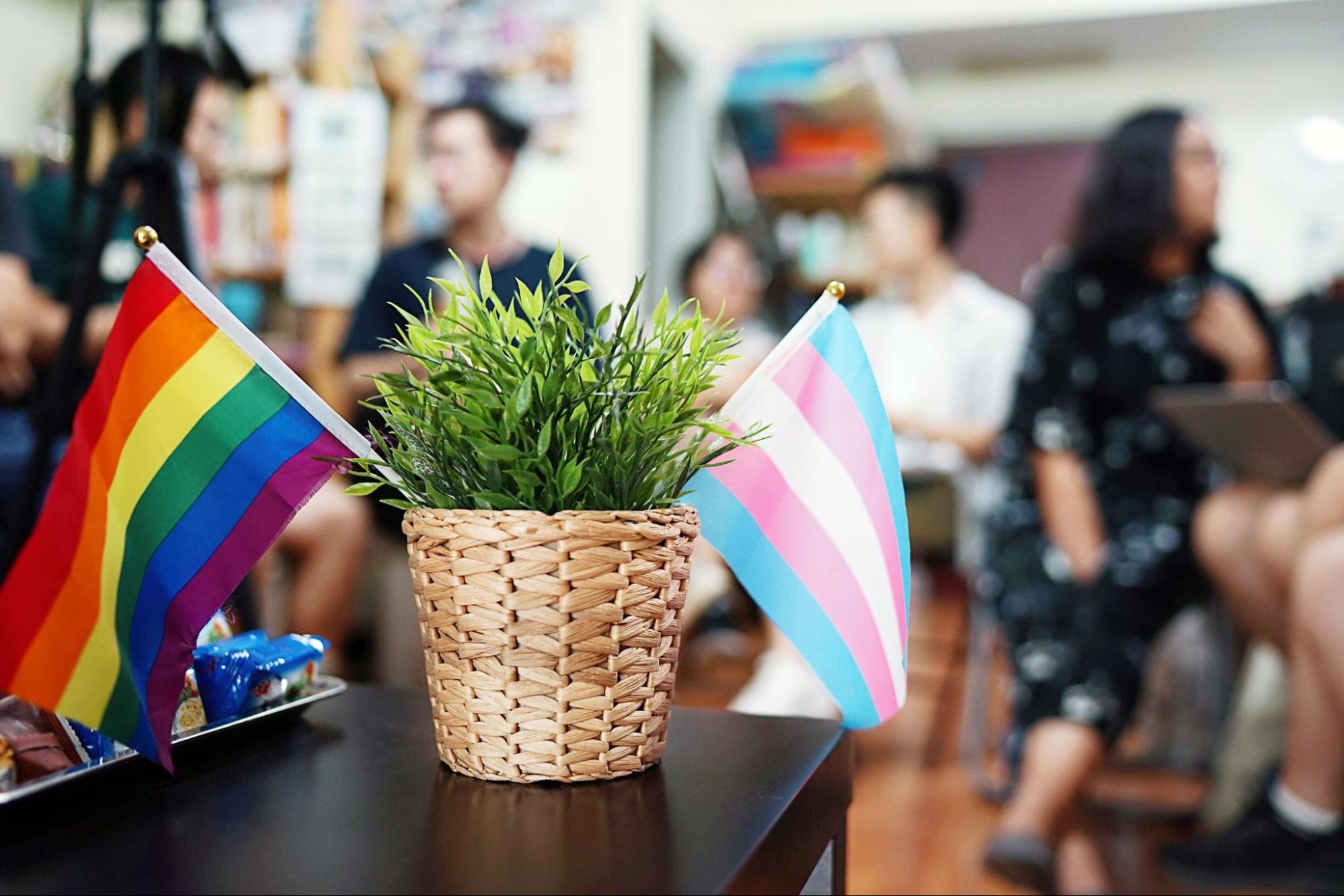
Beijing’s LGBT center has closed its doors, highlighting the pressures faced by advocacy groups in China amid heightened scrutiny of social activism. The closure has sparked concern among activists, community members, and international observers about the state of support for sexual minorities.
The center, which provided resources, counseling, and safe spaces for LGBTQ+ individuals, had long served as a hub for education, outreach, and advocacy. Staff and volunteers offered workshops, support groups, and community programs aimed at promoting inclusivity and wellbeing.
Officials cited compliance issues and regulatory requirements as part of the reason for the shutdown. While no detailed explanation was publicly provided, observers suggest the closure aligns with broader government efforts to monitor and restrict social activism, particularly in areas related to human rights and minority advocacy.
Community members expressed disappointment and frustration over the closure. Many described the center as a vital lifeline, especially for young LGBTQ+ individuals seeking guidance, social connection, and mental health support.
“The center was a place where people felt safe and understood,” said one former attendee. “Its loss leaves a significant gap in support and community engagement.”
China’s LGBT advocacy landscape has historically faced challenges, balancing societal conservatism with growing demand for recognition and inclusion. In recent years, some organizations have operated cautiously, providing limited programs while navigating complex legal and social frameworks.
The closure of the Beijing center follows a pattern of tightening oversight over civil society organizations. Activist groups, NGOs, and other advocacy organizations have encountered increased regulation, restrictions on funding, and monitoring of their activities, making community work more difficult.
Despite these challenges, grassroots activism continues. Online platforms, informal networks, and private gatherings remain avenues for LGBTQ+ individuals to share experiences, access resources, and advocate for rights. However, the closure underscores the difficulties in maintaining formal, public-facing organizations in the current environment.
Mental health professionals emphasize the importance of safe spaces for LGBTQ+ individuals. Research shows that access to supportive communities can reduce isolation, stress, and mental health risks, particularly for young people navigating identity and social pressures. The shutdown may exacerbate these challenges.
International observers and human rights organizations have voiced concern over restrictions on LGBTQ+ advocacy in China. Many highlight the role of community centers in promoting understanding, tolerance, and wellbeing, noting that closures limit avenues for education and social support.
Some former staff members and volunteers have pledged to continue outreach through alternative means, including online support networks and private initiatives. While these efforts may not fully replace the center, they reflect resilience and commitment to community welfare.
The closure also raises broader questions about freedom of association and expression. While China emphasizes social stability and regulatory compliance, critics argue that curtailing community initiatives limits the ability of marginalized groups to organize, advocate, and access support.
Experts note that the closure may have ripple effects across the country. Other LGBTQ+ centers and advocacy groups are likely to reassess operations, considering the regulatory environment and potential risks to staff, volunteers, and participants.
For individuals affected by the shutdown, maintaining mental health and social connection remains a priority. Supportive online communities, peer networks, and informal gatherings are increasingly relied upon to provide guidance, companionship, and safety.
The Beijing LGBT center’s closure marks a significant setback for the city’s LGBTQ+ community. It highlights the tension between advocacy, regulatory oversight, and societal norms, reflecting broader challenges facing marginalized groups in China.
While formal centers face restrictions, activists continue to explore alternative pathways to provide support, raise awareness, and foster resilience among sexual minorities. The need for safe, inclusive spaces remains critical, even amid tightening constraints.

