

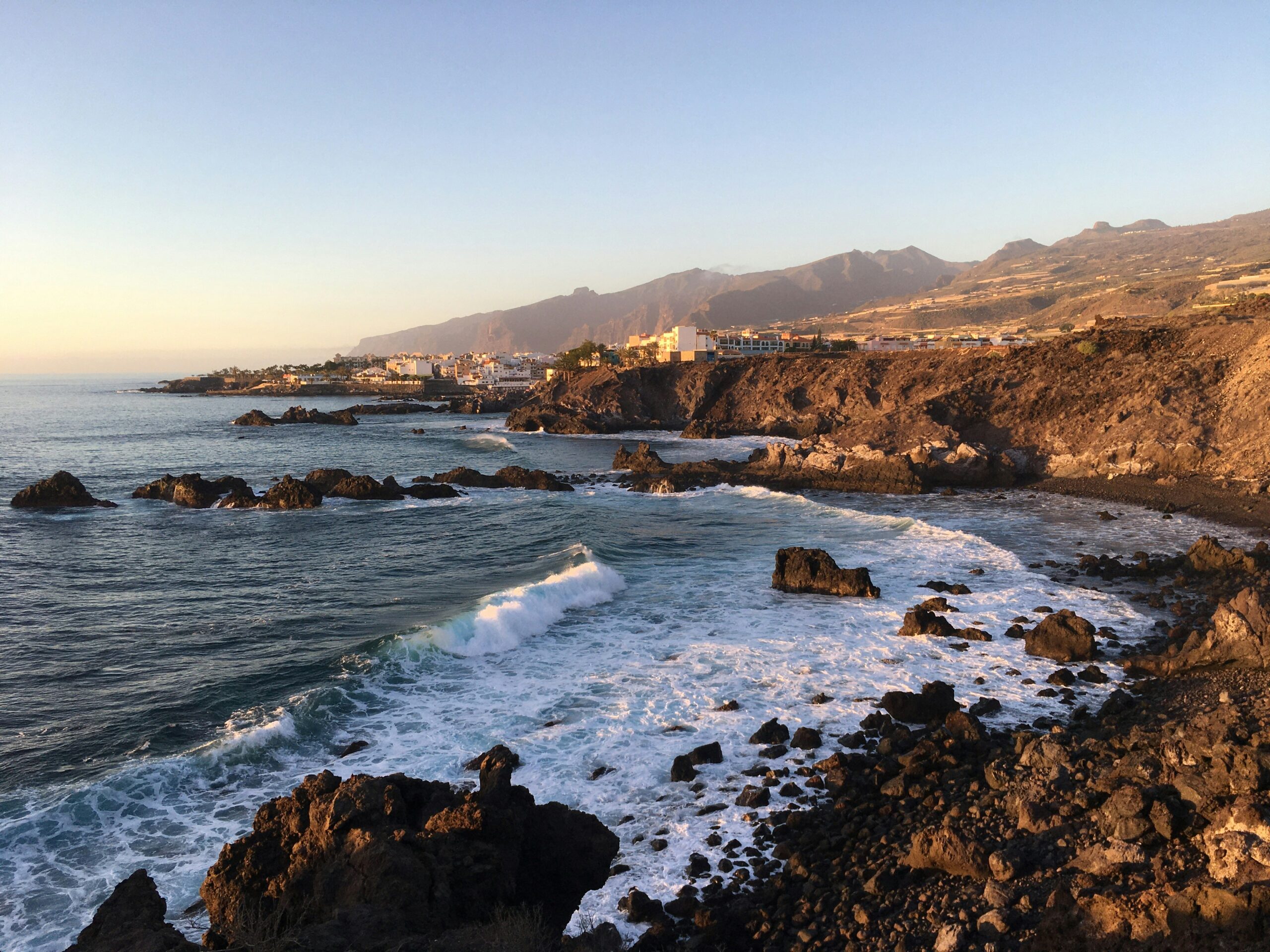
The Canary Islands shattered visitor records again this year despite rising protests and new restrictions.
August data revealed how severely overcrowded the islands have become under relentless tourism growth.
The region welcomed 1.23 million international visitors in August, the highest total ever recorded for that month.
This figure represents a 6% increase from August 2024, continuing Spain’s nationwide surge in summer tourism.
From January to August 2025, the islands hosted more than 10 million international travellers.
Nearly half a million visitors arrived from the United Kingdom, with Germany also providing a major share.
Tourism remains vital to the Canary Islands’ economy, generating about 35% of total GDP.
Why the Islands Continue to Draw Millions
Located roughly 100 kilometres off Africa’s northwest coast, the Canary Islands attract visitors year-round.
Their mild climate, sandy beaches, volcanic landscapes, and forests make them appealing in every season.
The seven main islands—Tenerife, Fuerteventura, Gran Canaria, Lanzarote, La Palma, La Gomera, and El Hierro—offer distinct experiences.
Easy flight connections from across Europe further boost visitor numbers, although recent Ryanair cancellations may disrupt travel.
Despite their popularity, locals have voiced growing frustration with overcrowding and rising living costs.
Protests against mass tourism have spread across the islands, echoing wider movements seen throughout Spain.
New Regulations Aim to Protect Natural Sites
Authorities plan to introduce an “eco-tax” for tourists hiking Tenerife’s Teide National Park by 2026.
The park, home to the Teide-Pico Viejo volcano, remains the islands’ most visited natural attraction.
Officials set the basic fee at €25, with individual trail prices ranging from €6 to €15 depending on difficulty.
Tenerife residents and children under 14 will enter free, while Canary Islands residents will pay discounted rates.
Tenerife’s president, Rosa Dávila, said the fees protect biodiversity and preserve the park for future generations.
Other islands have also launched local initiatives to limit overtourism and safeguard natural resources.
Gran Canaria’s town of Mogán introduced a €0.15 daily tax in January to manage visitor impact.
El Hierro maintains strict sustainability rules, limiting flights and accommodations to preserve its environment.
Across the archipelago, authorities enforce smoke-free beaches and steep fines for public drinking to control excessive partying.

