

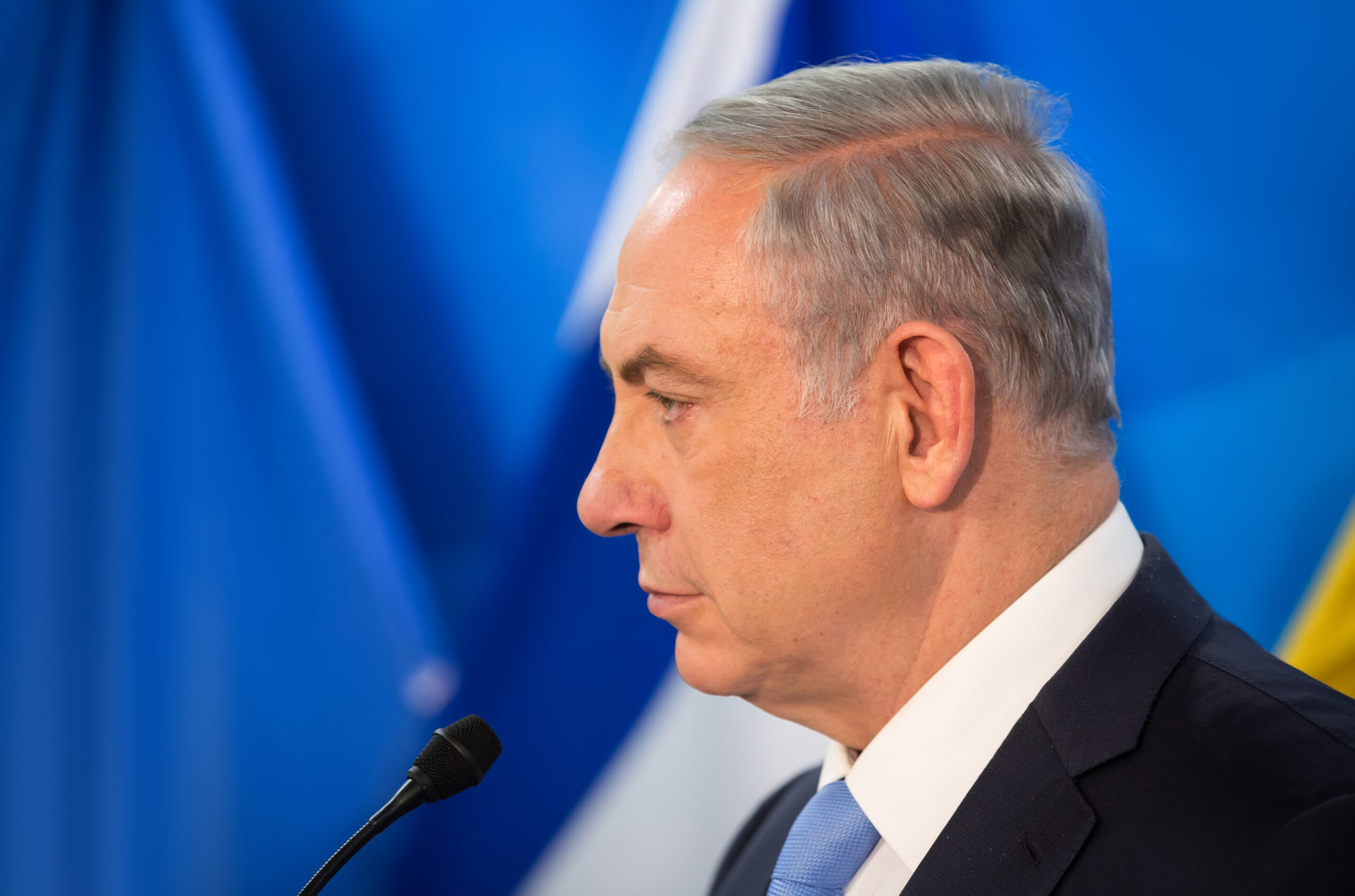
US President Donald Trump and Israeli Prime Minister Benjamin Netanyahu introduced a 20-point peace plan for Gaza on 29 September.
Trump worked with Egypt, Qatar, and Turkey to design the proposal aimed at ending the long and devastating conflict.
Reports claim Israel’s strike on Doha, which violated Qatar’s sovereignty, triggered Trump’s demand to halt the war.
With Israel having met most of its regional objectives, Trump used his political freedom to pressure Netanyahu into a ceasefire.
On 8 October, Trump confirmed that Israel and Hamas signed the first phase of the agreement, marking a key diplomatic milestone.
Phase One: Ceasefire and Immediate Relief Measures
The plan orders an instant ceasefire, freezing frontlines and suspending all military activity within 72 hours.
Israel must release 1,950 Palestinian prisoners, including 250 serving life sentences, while Hamas releases all Israeli hostages.
Both sides will allow humanitarian aid to flow freely into Gaza to address urgent civilian needs.
International observers will oversee the exchange process and ensure compliance with the ceasefire agreement.
The early phase aims to stabilise the situation quickly and build trust between opposing sides after years of destruction.
Phases Two and Three: Security, Governance, and Reconstruction
Phase two begins after the hostages’ release, focusing on demilitarising Gaza and dismantling Hamas’s military structures.
The plan envisions Gaza as a “terror-free zone,” with amnesty for Hamas members who renounce violence or accept exile.
An international stabilisation force of US, Arab, and European personnel will oversee security and train a new Palestinian police force.
Phase three establishes a transitional administration led by Palestinian technocrats and supervised by an international “Board of Peace.”
Trump will chair the board, joined by global figures such as former UK Prime Minister Tony Blair.
The new administration will restore infrastructure, deliver humanitarian aid, and promote economic recovery in Gaza.
The plan envisions eventual Palestinian statehood, conditional on successful reforms and sustained peace, though the US will not grant formal recognition.
Netanyahu reaffirmed on 30 September that his government would not support a Palestinian state under this framework.

