

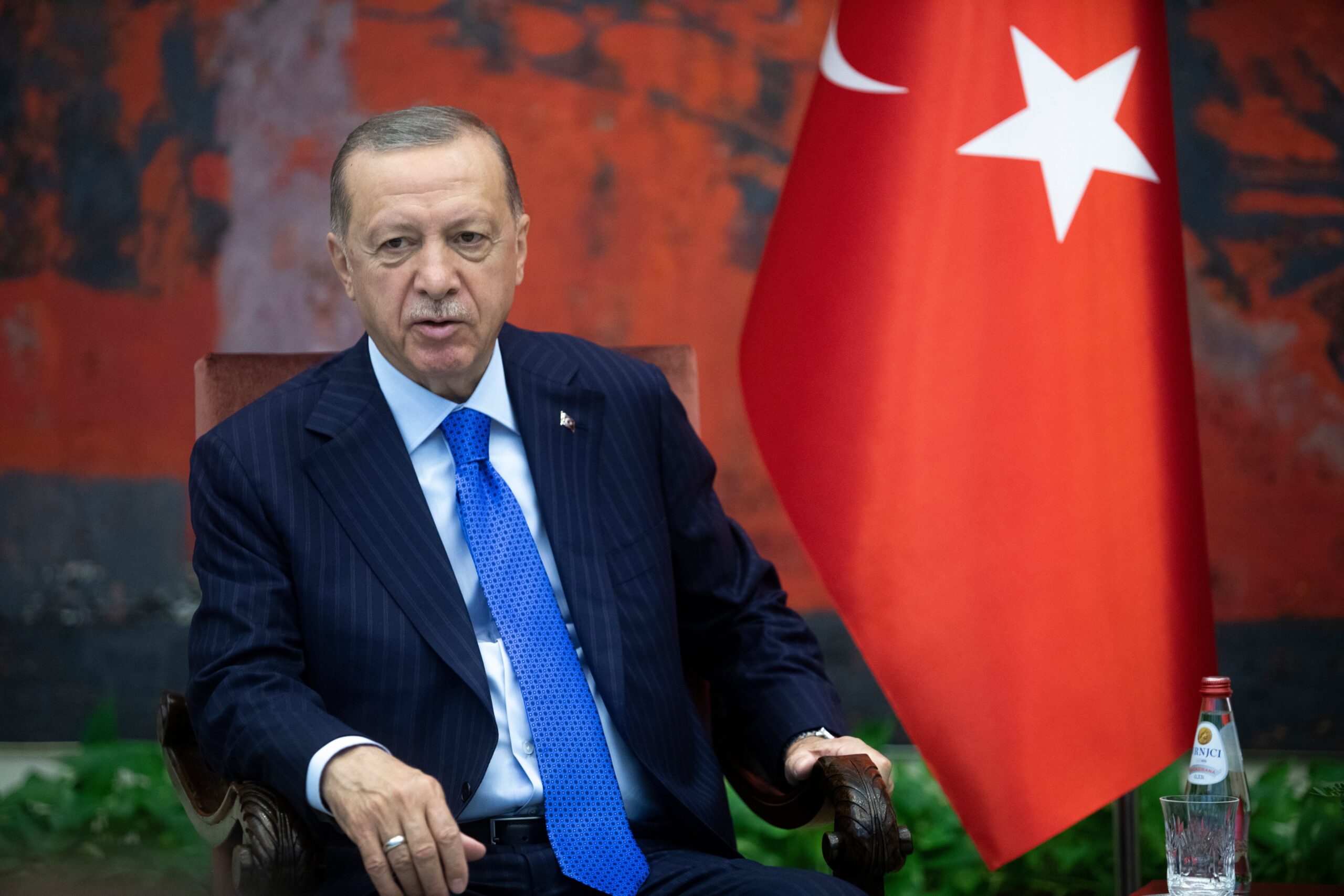
Human Rights Watch urged Friedrich Merz to condemn Turkey’s suppression of dissent, including the detention of Istanbul’s mayor, Ekrem İmamoğlu. During his first official visit to Ankara, Merz emphasized the need for Europe to strengthen its strategic partnership with Turkey amid rising global instability. Standing beside Turkish President Recep Tayyip Erdoğan, Merz highlighted Turkey’s vital mediating role in both the Ukraine and Gaza conflicts.
Days earlier, Turkey and the United Kingdom had finalized a multi-billion-euro agreement for the sale of 20 Eurofighter Typhoon jets. Germany, part of the manufacturing consortium for these advanced aircraft, had only recently withdrawn its opposition to their export to Turkey. This reversal signaled a new phase in Berlin’s approach to Ankara, reflecting the growing recognition of Turkey’s geopolitical influence.
Reports also indicated that Germany supported Turkey’s participation in the European defence framework known as the Security Action for Europe (SAFE), a €150 billion initiative aimed at strengthening the continent’s military readiness. SAFE allows non-EU members, including Turkey, to join defence programs and collaborate on strategic projects. Greece, however, continues to reject Turkey’s involvement, insisting that Ankara must first retract its long-standing threat of war linked to maritime boundary disputes between the two NATO allies.
Merz refrained from directly mentioning SAFE but repeatedly stressed the importance of close collaboration between Germany and Turkey. “Germany and Turkey should make better use of the vast potential within our relations in the coming months and years,” he said. “We are entering a new geopolitical era dominated by the rivalry of major powers. For Europe and Germany, expanding strategic partnerships is essential. A deep and constructive partnership with Turkey is indispensable.”
Tensions Over Human Rights and Rule of Law
The joint press conference exposed divisions on human rights and democracy. Human Rights Watch had earlier called on Merz to address the crackdown on political opposition, including the arrest of Ekrem İmamoğlu, who remains in pretrial detention on corruption charges he denies. Turkish authorities recently added espionage allegations against him, deepening international concerns about the rule of law.
Merz avoided mentioning İmamoğlu directly but voiced unease about democratic standards in Turkey. “Certain decisions in Turkey still fall short of the expectations we have for rule of law and democracy from a European perspective,” he stated. Erdoğan immediately defended his country’s judiciary, insisting that no one stands above the law. “Regardless of your position, if you violate the law, judicial authorities must act,” he said, reaffirming his government’s stance against foreign interference in domestic legal matters.
The exchange revealed the delicate balance Germany must maintain—pursuing closer strategic cooperation while addressing human rights issues that remain central to European values. Merz’s comments reflected an attempt to preserve diplomatic progress without ignoring fundamental principles.
Diverging Voices on Gaza and Global Responsibility
On Gaza, Merz reaffirmed Germany’s enduring solidarity with Israel, grounded in historical responsibility since the Holocaust. “Germany has stood firmly by Israel from its foundation and will always do so,” he declared. Yet, he added, “This does not mean we accept every political decision of the Israeli government without criticism.” He reiterated his view that Israel acted in self-defence and argued that Hamas could have ended the conflict by releasing hostages and surrendering its weapons.
Erdoğan delivered a sharp rebuttal, accusing Israel of employing “starvation and genocide” as instruments of war. He argued that Hamas lacks the military capabilities possessed by Israel, which includes advanced bombs and nuclear weapons. Erdoğan criticised Germany for what he described as a moral inconsistency in its foreign policy. “As Germany, can’t you see this imbalance?” he asked pointedly.
The contrasting positions underscored deep ideological rifts between the two leaders, even as both nations seek greater cooperation on defence and security. Despite disagreements over human rights and the Gaza conflict, Merz’s visit symbolized a renewed effort to anchor Turkey more firmly within Europe’s strategic framework. Both leaders presented a vision of pragmatic engagement—one shaped by competing values, shifting alliances, and the urgency of an increasingly volatile world.

