

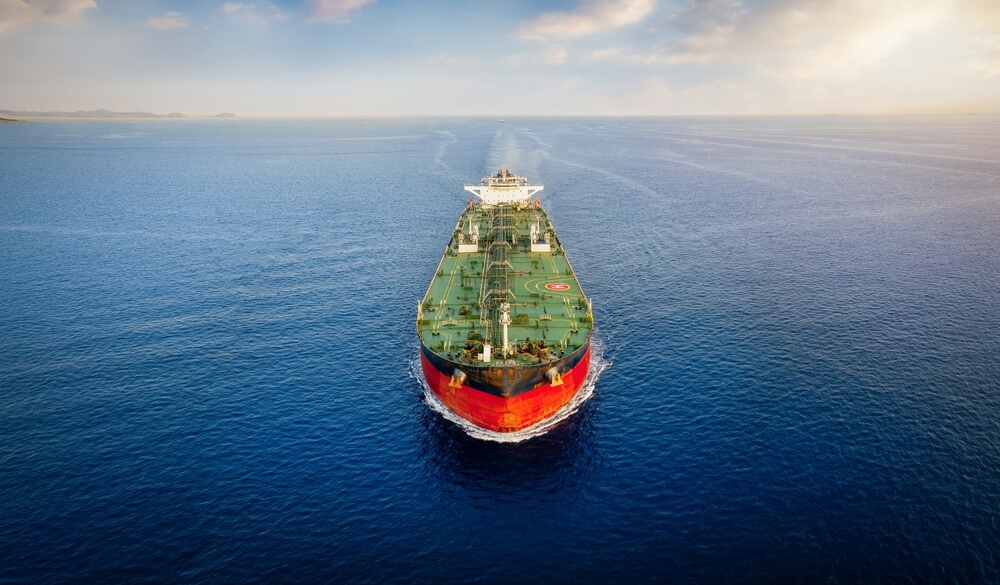
The United States has seized another oil tanker in the Caribbean, stepping up its campaign to stop sanctioned vessels from moving oil linked to Venezuela. The ship, named the Olina, is the fifth tanker taken in recent weeks as Washington tightens its naval blockade and expands enforcement operations in the region.
Crackdown on the So-Called “Ghost Fleet”
According to U.S. Homeland Security Secretary Kristi Noem, the Olina is part of a so-called ghost fleet, a term used to describe tankers that allegedly disguise their ownership, falsify nationality, or switch off tracking systems to evade sanctions. U.S. officials say the vessel departed Venezuela carrying embargoed oil and was intercepted while attempting to avoid American patrols.
The operation took place before dawn and involved the U.S. Coast Guard, along with Marines and Navy personnel operating under U.S. Southern Command. Video released by the military showed troops rappelling from helicopters to board and secure the ship. Officials said the mission was launched from the USS Gerald R. Ford, the world’s largest aircraft carrier.
A Growing Naval Campaign
The seizure follows President Donald Trump’s announcement last month of a naval “blockade” targeting oil shipments to and from Venezuela. Since then, U.S. forces have taken control of five tankers, including three in just the past week. One of the seized vessels was reportedly linked to Russia, drawing sharp criticism from Moscow after U.S. forces pursued it from waters near Venezuela into the North Atlantic.
Washington has framed the operations as part of a broader effort to enforce sanctions, disrupt illicit oil trading, and send a message that sanctioned ships will not find safe passage. “There is no safe haven for criminals,” Southern Command said in a statement shared on X.
Trump Signals Long-Term U.S. Role
The aggressive maritime actions come amid increasingly blunt rhetoric from the White House. In a recent interview with The New York Times, President Trump suggested the United States could effectively run Venezuela and exploit its vast oil reserves for an extended period.
When asked how long Washington might demand direct oversight of the country, Trump replied that it would be “much longer” than a few months, signaling a potentially prolonged U.S. presence and continued pressure on Venezuela’s oil industry.
As seizures continue and international tensions rise, the Olina interception underscores how the U.S. blockade is rapidly becoming one of the most forceful tools in Washington’s strategy toward Venezuela.

