

Rising Traffic, Rising Temperatures
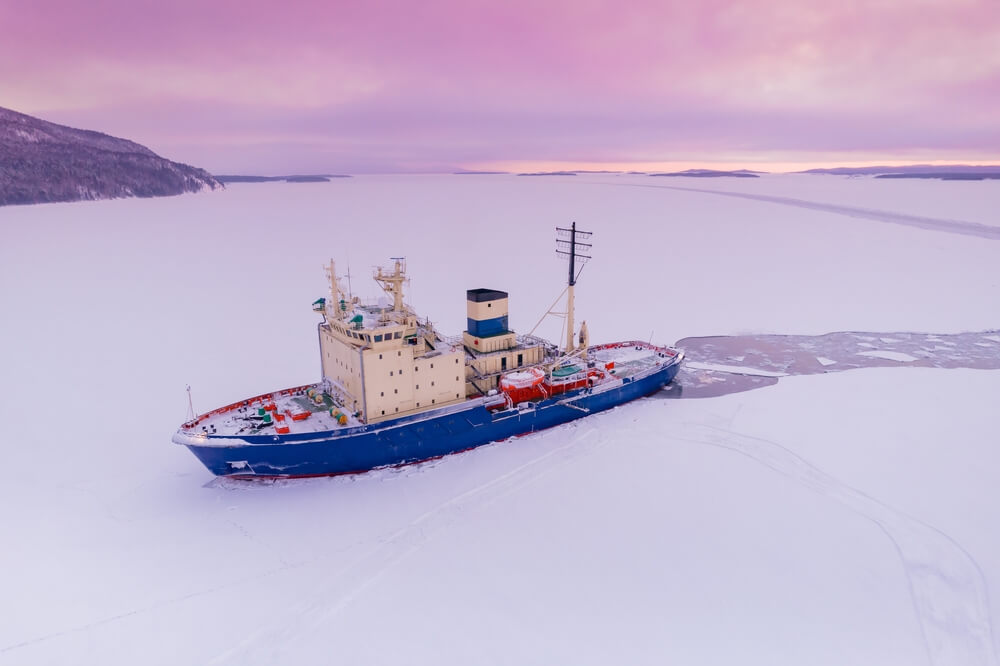
As the Arctic warms faster than anywhere else on Earth, melting sea ice is opening shipping routes that were once frozen solid. Cargo ships, fishing vessels, and even cruise liners are now navigating these northern waters, but the increase in traffic comes with a hidden cost: black carbon, or soot, emitted from ship engines. When this soot settles on ice and snow, it darkens the surface, absorbs heat from the sun, and accelerates melting—a feedback loop that scientists warn could worsen global warming. “It ends up in a never-ending cycle of increased warming,” says Sian Prior, lead adviser for the Clean Arctic Alliance.
Pushing for Cleaner Arctic Fuels
To counter the environmental damage, France, Germany, Denmark, and the Solomon Islands have proposed that all ships north of the 60th parallel switch to lighter “polar fuels,” which emit far less carbon pollution than traditional heavy fuels. While a ban on heavy fuel oil was introduced in 2024, loopholes and exemptions have limited its effect. The new proposal is being discussed at the International Maritime Organization, but progress is slow, as political tensions and competing interests overshadow the environmental urgency.
Politics, Profits, and Arctic Challenges
Efforts to curb black carbon face resistance both internationally and locally. Geopolitical disputes, like U.S. debates over Greenland, have pushed environmental concerns to the background. Even within Arctic nations, industries such as fishing hold significant influence, slowing regulation. In Iceland, for example, government officials support stronger measures but are hesitant to act without industry approval. Meanwhile, Arctic shipping continues to surge: between 2013 and 2023, the number of vessels north of the 60th parallel rose 37%, and the distance they travel more than doubled. With commercial pressures and shorter shipping routes driving traffic, regulating fuel use remains the most realistic way to slow Arctic warming—but the path forward is still fraught with political and economic obstacles.

