

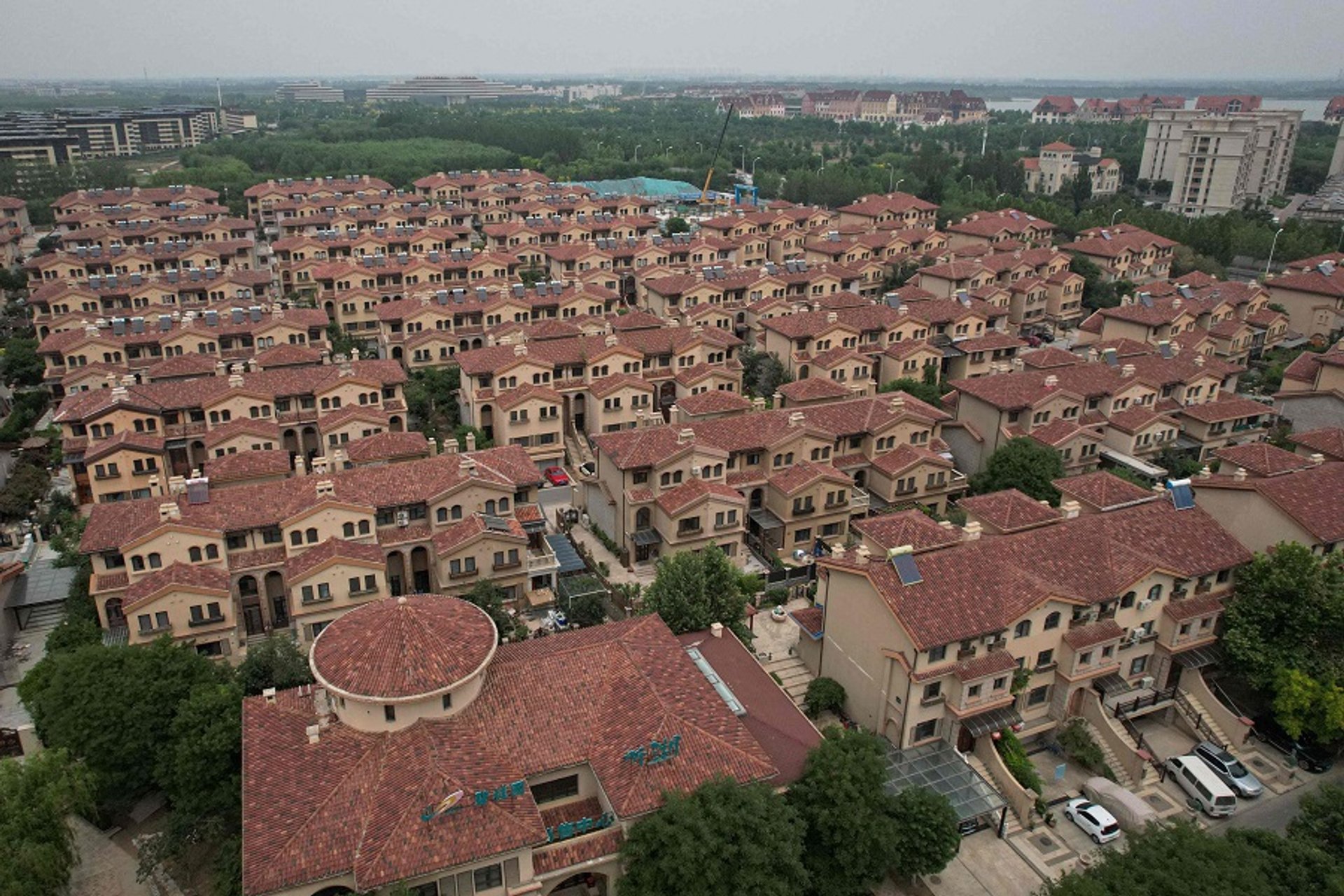
Beijing’s real estate market has recorded a dramatic rebound, with property transactions jumping by 40% after accommodative government policies were introduced to stabilize the sector. The surge marks one of the most significant turnarounds in China’s housing market in recent years and signals renewed buyer interest in the capital.
The increase follows a series of measures aimed at easing restrictions on home purchases, lowering borrowing costs, and supporting developers struggling under heavy debt. Officials confirmed that these steps have triggered a wave of demand, particularly among first-time buyers and families seeking upgrades.
Industry data show that both new and second-hand home sales rose sharply in August. Many districts across the capital reported double-digit growth, with some neighborhoods experiencing the strongest demand since before the pandemic. Market analysts said the rebound highlights how responsive buyers are to policy changes in China’s largest cities.
“Beijing has shown that when policies are supportive, demand can return quickly,” one property analyst explained. “The 40% surge is a clear sign of renewed confidence, though questions remain about whether this pace can be sustained.”
The recovery has been strongest in central urban districts, where limited supply and high demand have pushed activity higher. Developers have reported improved pre-sales, while real estate agents noted more competitive bidding among buyers. Mortgage applications also climbed, reflecting greater willingness to enter the market.
Authorities have been under pressure to stabilize the property sector, which has faced years of uncertainty due to developer debt crises and declining prices in smaller cities. In Beijing, recent measures included lowering minimum down payment ratios, easing mortgage rates, and streamlining approval processes for buyers.
These steps appear to have had an immediate impact. Families who had delayed purchases during the downturn have returned to the market, while young professionals are showing stronger interest in buying their first homes.
The rebound is also supporting broader economic activity. Furniture stores, appliance retailers, and construction suppliers all reported improved sales in recent weeks. Economists say housing demand often acts as a catalyst for consumption in other sectors, amplifying the impact on the wider economy.
Despite the strong surge, analysts warn that challenges remain. The recovery in Beijing may not reflect broader trends across China, where many smaller cities continue to struggle with excess supply and weaker demand. Nationwide, home prices remain under pressure, and developers face ongoing liquidity concerns.
“There is no doubt that Beijing’s rebound is encouraging, but it may not be the full picture,” said one economist. “The capital benefits from strong income levels, stable jobs, and a limited housing supply. Many smaller cities do not share these strengths.”
Still, Beijing’s surge has provided some optimism for policymakers. It shows that accommodative policies can boost demand in major urban centers, helping to stabilize confidence in the housing sector. If momentum continues, it could encourage further reforms and targeted measures to support other cities.
Buyers, however, remain cautious about long-term trends. While many are taking advantage of lower borrowing costs, concerns about future price growth linger. Some analysts suggest that the market could see a period of consolidation after the sharp rebound, with growth slowing later in the year.
For now, though, the surge has lifted confidence across Beijing’s property market. Real estate professionals report stronger inquiries, faster sales cycles, and a brighter mood among buyers. Developers are also regaining momentum, with several major projects announcing new launches timed to capture rising demand.
Beijing’s 40% surge underscores the power of policy in shaping housing demand. As the city continues to attract families, professionals, and investors, its property market is likely to remain a bellwether for China’s broader real estate outlook.

