

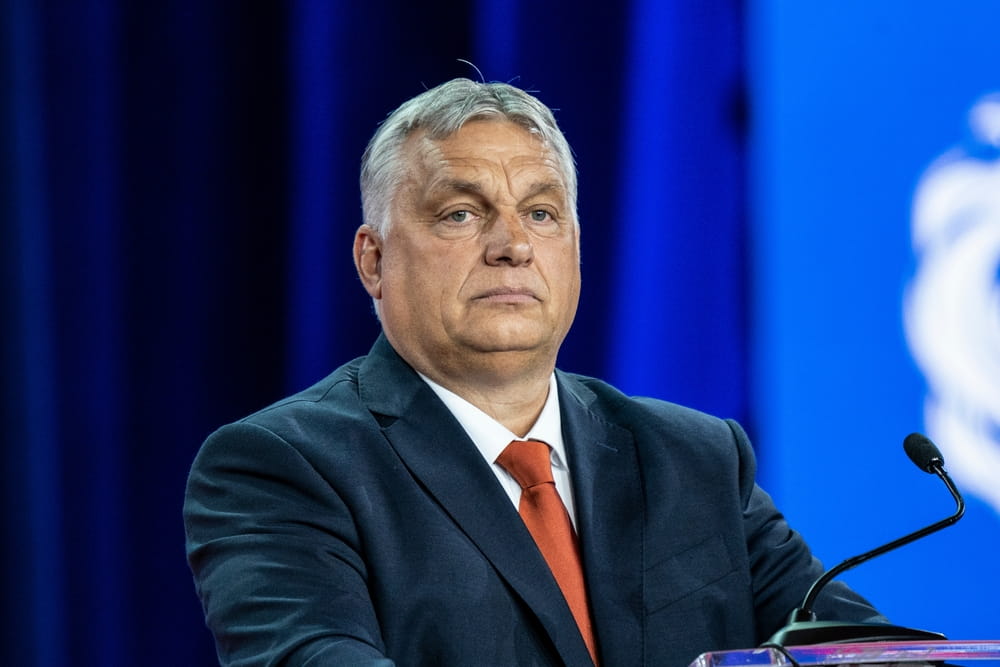
The top legal adviser to the European Court of Justice has said the European Commission should not have released about €10bn in frozen funds to Hungary. Advocate general Tamara Ćapeta argued that Hungary failed to implement the judicial reforms required to unlock the money.
The commission suspended payments in 2022 over concerns about corruption and rule-of-law breaches under Prime Minister Viktor Orbán. In 2023, it decided that sufficient reforms had been made and lifted the freeze. The European Parliament challenged that decision, claiming the commission made serious errors and acted without proper transparency.
Ćapeta said the commission incorrectly assessed Hungary’s reforms and should not disburse funds until legislative changes are fully in force and effectively applied. Although her opinion is not binding, the court often follows such advice. Judges are expected to issue a final ruling in the coming months.
Legal experts say that if the court sides with parliament, the commission may need to recover the funds through future budget adjustments. The case could set an important precedent on how the EU enforces rule-of-law conditions. Orbán, who faces a strong electoral challenge from Péter Magyar and his Tisza party, has repeatedly accused Brussels of political interference.

