

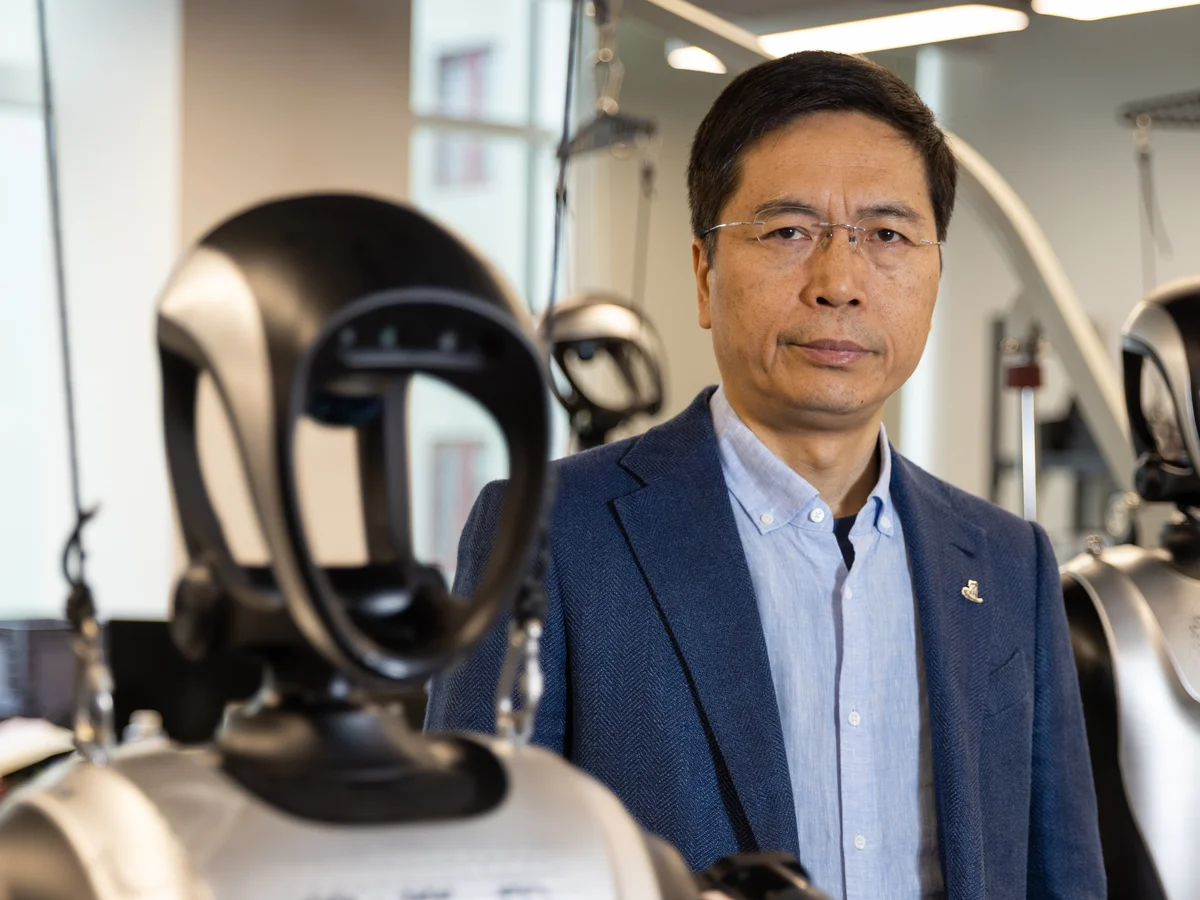
A leading artificial intelligence (AI) scientist has made headlines by leaving the United States for China, citing the need for greater research freedom and access to large-scale resources. The move sheds light on the global competition for AI talent and the contrasting environments for innovation in different countries.
The scientist, whose work has been instrumental in advancing machine learning and neural network research, stated publicly, “I have to do it.” Their decision reflects both personal ambition and the structural differences in how AI research is supported and implemented internationally.
In the United States, AI research often faces limitations tied to funding cycles, regulatory frameworks, and institutional bureaucracy. While the US remains a global leader in technology, the scientist noted that certain large-scale projects and high-risk experiments are difficult to pursue within existing structures.
China, by contrast, has invested heavily in AI as a national priority. Government support, substantial funding, and access to massive datasets offer researchers the ability to conduct ambitious experiments and scale innovations quickly. The scientist cited these factors as decisive in choosing to relocate.
“China is giving me the freedom and resources to pursue the questions I care about most,” they said. “The scale, speed, and support here are unmatched anywhere else in the world.”
Experts note that the move is emblematic of broader trends in global AI research. Countries are competing to attract top talent, recognizing that breakthroughs in AI will have profound implications for economic growth, national security, and technological leadership.
The scientist’s decision also reflects the growing complexity of international research collaboration. While AI is a global field, differences in regulation, intellectual property policies, and research priorities can influence where scientists choose to work. China’s emphasis on applied AI research, combined with substantial government backing, has made it a particularly attractive destination.
Colleagues in the US have expressed both disappointment and understanding. While the departure represents a loss for American institutions, it underscores the pressures and incentives that shape the movement of top scientific talent.
The scientist’s work has already contributed to advances in natural language processing, computer vision, and autonomous systems. Moving to China will allow them to expand these projects, leveraging access to vast datasets and cutting-edge infrastructure unavailable in most US research labs.
Policy analysts suggest the move highlights challenges for the US in retaining scientific leadership. Concerns over funding, bureaucracy, and international competition may push other leading researchers to consider opportunities abroad, particularly in countries that prioritize technological innovation at a national level.
Despite leaving the US, the scientist maintains collaborations with global colleagues, emphasizing that AI is a shared, international endeavor. Publications, joint projects, and conferences continue to foster cross-border exchange of knowledge, even as research centers compete for talent.
The decision also raises questions about ethical oversight, data privacy, and regulatory frameworks. Researchers working in different countries must navigate varying standards and expectations, balancing scientific ambition with societal responsibility.
China’s ability to attract world-class AI talent reflects its strategic focus on technology as a driver of national competitiveness. Initiatives to support research, train experts, and fund ambitious projects have made it a destination for scientists seeking to push the boundaries of the field.
For the scientist, the move represents an opportunity to work at the frontier of AI research, pursuing ambitious goals and exploring applications at a scale difficult to achieve elsewhere. Their decision is both a personal milestone and a reflection of shifting dynamics in the global scientific landscape.
As AI continues to shape economies, security, and society, the migration of top talent between countries will remain a critical factor in determining technological leadership. This high-profile move underscores the stakes and the choices faced by leading researchers worldwide.

