

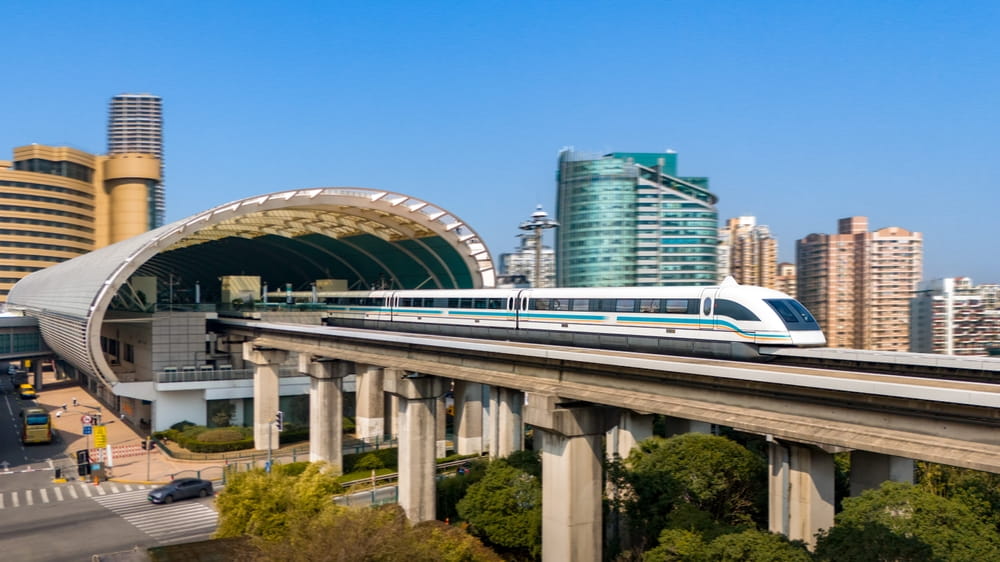
Japan is developing the L0 Series, a magnetic-levitation train that could reach 603.5 km/h, making it the fastest train ever built. Produced by Central Japan Railway Company, it far exceeds current high-speed rail, including Europe’s fastest services such as France’s TGV and Italy’s Italo.
The train will run on the Chūō Shinkansen, cutting the Tokyo–Nagoya journey to about 40 minutes, with Tokyo–Osaka expected to take roughly one hour. The project relies on maglev technology, which lifts trains above the track using magnets, reducing friction and allowing extreme speeds.
However, exporting this technology to Europe looks unlikely. The system requires entirely new, dedicated infrastructure, much of it in tunnels, and cannot run on existing rail lines. It is also energy-intensive, extremely expensive (around €60bn so far), and has lower passenger capacity than many European high-speed trains.
European rail networks also prioritise comfort, accessibility and scenic travel as much as speed, limiting the appeal of ultra-fast maglev outside a few business corridors. While the L0 Series could transform travel within Japan, it is unlikely to appear on European tracks anytime soon.

