

Competing Visions of the West
This year’s Munich Security Conference put transatlantic tensions on full display, as American and European leaders outlined sharply different views about the future of the West.
U.S. Secretary of State Marco Rubio urged Europeans to join Washington in what he framed as a mission to rescue a declining civilisation. He warned against simply maintaining what he described as a failing status quo, saying the United States had no interest in overseeing a “managed decline.” While his tone was less confrontational than last year’s remarks by Vice President JD Vance, Rubio’s message was similar: the West, in his view, is weakening itself through flawed climate and migration policies.
At the same time, he emphasized that America’s destiny remains tied to Europe, calling the U.S. a “child of Europe.” European Commission President Ursula von der Leyen said she felt reassured by his words. But the EU’s foreign policy chief, Kaja Kallas, rejected the premise entirely, dismissing suggestions that Europe is decadent or in need of rescue.
Ukraine and the Future of European Security
Ukrainian President Volodymyr Zelenskyy used the stage to criticize Europe’s limited role in U.S.-brokered peace talks with Russia. He called Europe’s absence from the negotiating table a “big mistake,” arguing that decisions about the war’s end will shape the continent’s long-term security.
European countries have become the largest providers of military and financial support to Ukraine and are expected to shoulder much of the responsibility for post-war security guarantees. Yet they remain sidelined in key diplomatic efforts. French President Emmanuel Macron has attempted to reopen dialogue with Moscow, though with limited results.
The broader geopolitical mood was summed up by German Chancellor Friedrich Merz, who declared that the post–World War II rules-based order “no longer exists.” According to Merz, the era of predictable alliances has given way to renewed great-power politics, forcing Europe to defend its interests more assertively.
That shift is also driving debate over nuclear deterrence. Macron revealed that France has opened strategic discussions with Germany about extending its nuclear umbrella as Europe reassesses its security posture. However, not all leaders are convinced. Spanish Prime Minister Pedro Sánchez warned that nuclear rearmament is a risky and costly gamble rather than a stable guarantee of peace.
Greenland, Defence and Europe’s Strategic Autonomy
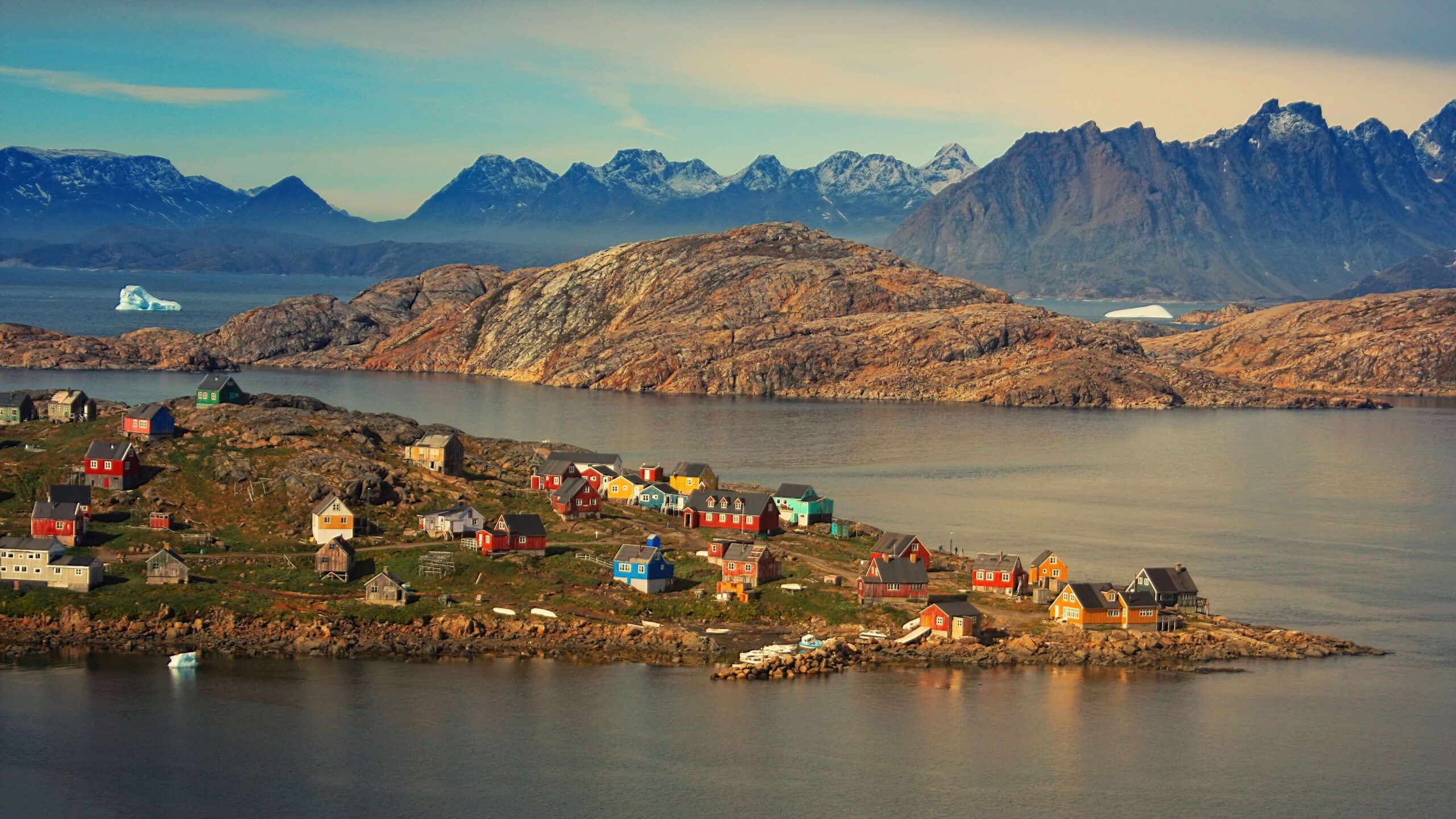
Tensions over Greenland added another layer of uncertainty. Danish Prime Minister Mette Frederiksen said that former President Donald Trump still harbors ambitions regarding the Arctic territory. Although NATO mediation has eased immediate tensions, Frederiksen made clear that Denmark’s territorial integrity is a red line. Greenland’s Prime Minister, Jens-Frederik Nielsen, described outside pressure as unacceptable but affirmed Greenland’s commitment to the alliance.
Against this backdrop, von der Leyen called for breathing life into the EU’s mutual defence clause, Article 42(7), arguing that it must become a meaningful pillar of European security. The EU has already unveiled an €800 billion defence readiness plan aimed at strengthening its capabilities by 2030, amid doubts about long-term U.S. commitment to NATO.
Taken together, the speeches in Munich painted a picture of a West redefining itself — grappling with internal disagreements, shifting alliances, and the growing realization that old assumptions about global order may no longer hold.

