

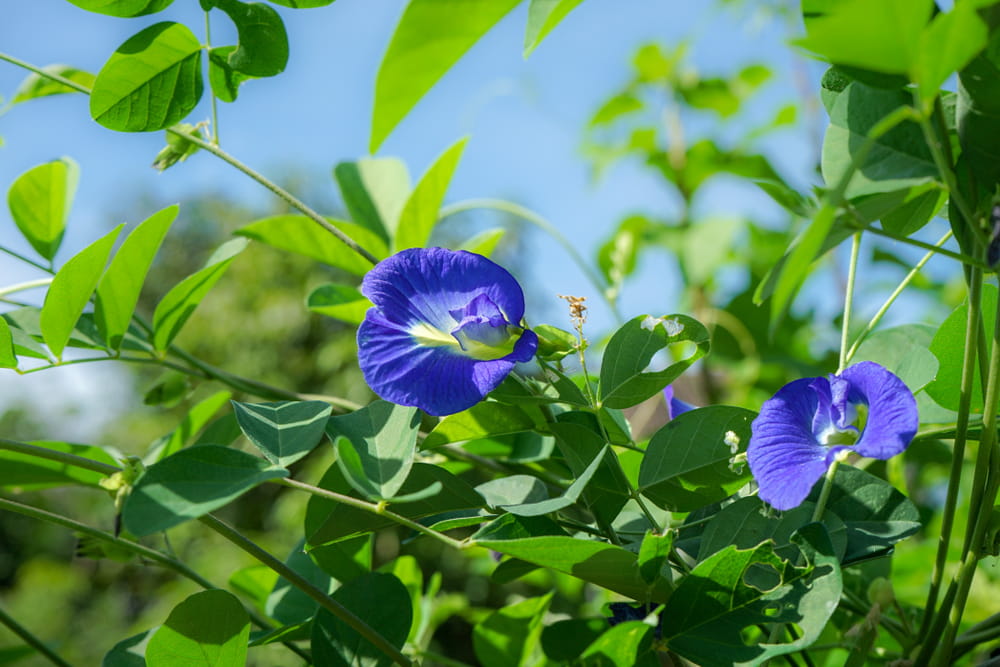
Plants growing close together can alert one another to incoming stress, improving their chances of survival under harsh conditions.
In experiments with thale cress (Arabidopsis thaliana), researchers grew plants either alone or tightly packed so their leaves touched. When exposed to intense light, isolated plants suffered severe damage, while crowded plants coped much better. Within an hour, densely grown plants activated more than 2,000 genes linked to protection against multiple stresses, whereas isolated plants showed little change.
The findings suggest that stressed plants send warning signals to nearby neighbours. The study identified hydrogen peroxide as the signal released by crowded plants, triggering defensive responses in surrounding plants. This is the first evidence that hydrogen peroxide can pass between plants, allowing them to prepare collectively for environmental stress.

