

Budapest Links Sanctions to Energy Security
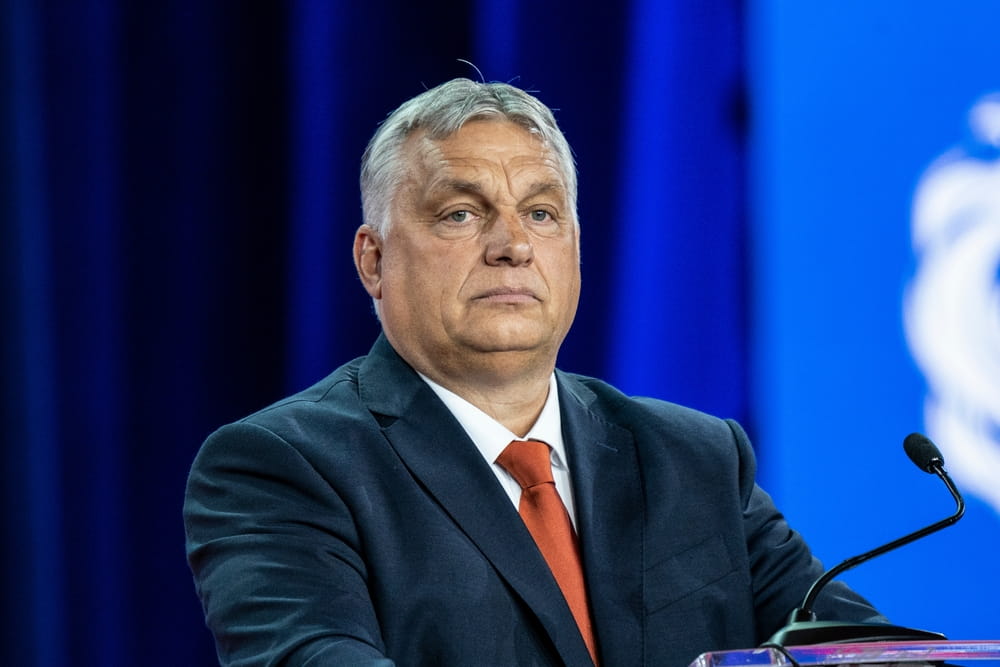
Hungary has made it clear it will not back the European Union’s 20th sanctions package against Russia until oil deliveries through the Druzhba pipeline are restored. Prime Minister Viktor Orbán said after meeting the country’s Energy Security Council that no further financial support for Ukraine should move forward while Hungary’s energy supplies remain disrupted.
Foreign Minister Péter Szijjártó reinforced that position, stating Hungary would block the sanctions package at the upcoming meeting of EU foreign ministers. He said Budapest expects Ukraine to repair the Druzhba pipeline, reportedly damaged in a Russian strike, and resume oil shipments before Hungary changes its stance.
Orbán also signaled that a suspended diesel delivery service would not restart and confirmed Hungary would oppose the release of the EU’s €90 billion war loan for Ukraine, despite prior approval within the bloc.
Electricity Supplies Add to Tensions
The standoff extends beyond oil. Nearly half of Ukraine’s electricity imports come from Hungary, a fact Szijjártó said requires careful consideration, particularly given the potential impact on Hungarian citizens and ethnic Hungarians living in Ukraine’s Transcarpathia region.
Slovakia has issued a similar warning. Prime Minister Robert Fico said that if oil flows are not restored, he would ask the national grid operator to halt emergency electricity exports to Ukraine. Oil deliveries to both Hungary and Slovakia reportedly stopped at the end of January, with Kyiv attributing the disruption to a Russian drone attack on the pipeline.
Kyiv Accuses Budapest of Undermining Regional Security
Ukraine’s Foreign Ministry has condemned what it described as “ultimatums and blackmail” from Hungary and Slovakia, arguing that such actions play into Moscow’s hands. In a strongly worded statement, Kyiv said the pressure comes at a time when Russian missile and drone strikes have battered Ukraine’s energy grid, leaving millions facing freezing temperatures and power shortages during one of the harshest winters in recent years.
Since Russia’s full-scale invasion began in February 2022, most European countries have dramatically reduced or eliminated imports of Russian energy. Hungary and Slovakia, however, secured temporary exemptions from the EU’s ban on Russian oil and have continued purchasing Russian fuel.
Orbán, often viewed as the EU leader with the closest ties to the Kremlin, has repeatedly argued that Russian energy remains essential to Hungary’s economy. He maintains that a rapid shift away from it would trigger severe economic consequences — a claim some analysts dispute. Over the past two years, he has frequently threatened to block EU sanctions targeting Moscow and has delayed or vetoed efforts to provide Ukraine with additional military and financial assistance.

