
Close Menu
    Facebook X (Twitter) Instagram
    Facebook X (Twitter) Instagram
    Beijing Mirror
    Subscribe
    • Business & Economy
    • Education
    • Entertainment
    • Health
    • Media
    • News
    • Opinion
    • Sports
    • Real Estate
    • More
      • Culture & Society
      • Travel & Tourism
      • Politics & Government
      • Environment & Sustainability
      • Technology & Innovation
    Beijing Mirror
    Home»Business & Economy»Rising Food Costs Hit Russian Families Amid War and Sanctions
    Business & Economy

    Rising Food Costs Hit Russian Families Amid War and Sanctions

    Grace JohnsonBy Grace JohnsonFebruary 18, 2026No Comments4 Mins Read
    Share Facebook Twitter Pinterest LinkedIn Tumblr Email
    Follow Us
    Google News Flipboard Threads
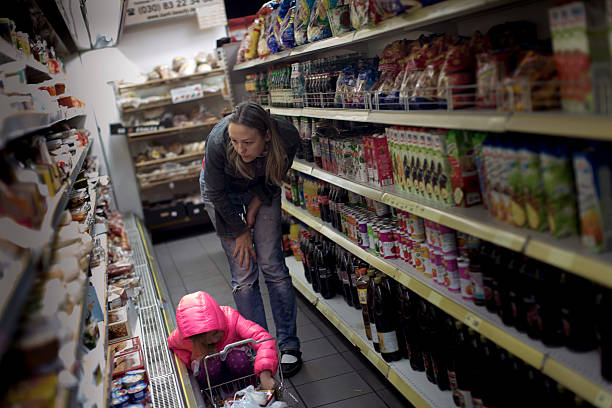
    BERLIN, GERMANY - OCTOBER 29: Mariana Kozovik buys food in a Russian supermarket named 'Russia' in Charlottenburg district on October 29, 2013 in Berlin, Germany. According to recently published statistics, 7.2 million foreigners were living in Germany by the end of 2012, which is the highest number ever recorded. Of those 80% are from countries in the European Union, while the rest come primarily from Turkey, Russia, the former Soviet states and Arab countries. (Photo by Carsten Koall/Getty Images)
    Share
    Facebook Twitter LinkedIn Pinterest Email

    “Life is becoming more expensive,” says Alexander, an advertising specialist from Moscow who works for a large corporation. His monthly food budget jumped by more than 22% in one month, rising from 35,000 roubles to 43,000 roubles. Russia’s economy now hovers between stagnation and decline, and citizens feel the financial toll of the war in Ukraine as it nears its fourth year.

    Alexander noticed price increases for almost all essential goods in supermarkets, including eggs, chicken fillets, and seasonal vegetables. Journalists changed all names in this report to protect sources. Even his daily Americano on the way to work surged by 26%, rising from 230 to 290 roubles.

    Prices have climbed steadily since the full-scale invasion, as the government prioritised war spending and defence production. That spending boosted economic growth and temporarily raised living standards. High inflation remained largely unnoticed in major cities, as heavy spending masked the effects of sanctions and the departure of foreign investment.

    Economic growth slowed sharply in 2025, and wages failed to keep pace with inflation. Rising prices then started to hit household budgets. At the start of 2026, supermarket prices rose by 2.3% in less than a month, according to Rosstat.

    Everything became more expensive at the start of the year, including meat, milk, salt, flour, potatoes, pasta, bananas, soap, toothpaste, socks, laundry detergent, and many medicines.

    Food Basket Shows Steady Price Climb

    Every January since 2019, journalists bought the same selection of 59 basic goods from the same supermarket chain in Moscow. The basket includes vegetables, fruits, dairy, meat, canned goods, instant noodles, sweets, and beverages, including beer.

    In 2024, the basket cost 7,358 roubles. Last month, it cost 8,724 roubles, an increase of 18.6%. That figure matches Rosstat’s 18.1% measure of accumulated food inflation from January 2024 to the end of January 2026.

    Fruit and vegetable prices increased by almost 15% since 2024. Russia relies heavily on imported produce, so prices react strongly to currency fluctuations and supply chain disruptions. Both factors worsened after the war began.

    Dairy prices surged by 41%, marking the biggest increase in the sample basket. Rising farm costs, expensive loans, and staff shortages pushed prices higher across the dairy sector.

    VAT Hikes and Household Budgets Force Changes

    A recent driver of price increases is a two-point VAT rise from 20% to 22% starting on 1 January. The finance ministry said the tax hike is needed to fund defence and security spending linked to the war.

    Alexander says he will not change his eating habits, but others say rising prices forced painful adjustments. Nadezhda, 68, says she can no longer afford beef and now buys cheaper fish. She and her husband live on state pensions and his additional income. Her monthly pension of almost 32,000 roubles now goes entirely on food.

    They postponed other expenses and used savings to cover groceries. They planned to repair their car but delayed the work. They also postponed buying a winter jacket for Nadezhda’s husband, which would have cost about 17,000 roubles.

    Kristina, a marketing specialist in her mid-40s, also used savings to buy food last month. She lives with her husband, a personal trainer, and now watches discounts closely. She notices more shoppers doing the same. She now chooses food based on protein content rather than preferences.

    The couple can no longer afford to eat out. Even home cooking became more expensive, as the cost of dinner for two more than doubled from around 1,000 roubles to more than 2,000 roubles.

    Oil Market Drops and Sanctions Increase Pressure

    In summer 2025, the central bank governor said the economy was close to balanced growth. Some economists now warn the economy risks entering negative territory after slowing significantly last year.

    The oil market poses one of the biggest risks. The federal budget depends on high oil prices, but prices dropped at the start of this year with no expected rebound. New US sanctions also reduced Russian oil exports to key buyers such as India.

    Authorities now face a larger budget deficit than planned. Borrowing remains difficult due to high interest rates and concerns about lending to a country at war. That situation could trigger further tax increases or spending cuts, especially in the public sector. Both options would reduce incomes and slow the economy further.

    Economist Tatiana Mikhailova says the country faces stagnation and possible GDP decline. She says falling oil prices could trigger a recession, although the economy could stagnate without collapsing.

    For ordinary Russians, these macroeconomic pressures offer little comfort, as rising prices continue to squeeze household budgets every day.

    Share. Facebook Twitter Pinterest LinkedIn Tumblr Email
    Grace Johnson
    • Website
    • Facebook

    Grace Johnson is a freelance journalist based in Beijing with over 15 years of experience reporting on Politics, World Affairs, Business, Health, Technology, Finance, Lifestyle, and Culture. She earned her degree in Communication and Journalism from the University of Miami. Throughout her career, she has contributed to major outlets including The Miami Herald, CNN, and USA Today. Known for her clear and engaging reporting, Grace delivers accurate and timely news that keeps readers informed on both national and global developments.

    Related Posts

    UK Banks Explore Homegrown Alternative to Visa and Mastercard

    February 17, 2026

    Volkswagen Plans 20% Cost Reduction by 2028

    February 17, 2026

    Aluminium and Metals Drop as Trump Hints at Tariff Rollback

    February 14, 2026
    Leave A Reply Cancel Reply

    Latest News

    Rising Food Costs Hit Russian Families Amid War and Sanctions

    Grace JohnsonFebruary 18, 2026

    “Life is becoming more expensive,” says Alexander, an advertising specialist from Moscow who works for…

    EU Signals It May Go It Alone on Russian Oil Tanker Ban

    Rachel MaddowFebruary 17, 2026

    Brussels Ready to Act Without Full G7 Backing The European Union has made clear it…

    UK Banks Explore Homegrown Alternative to Visa and Mastercard

    Andrew RogersFebruary 17, 2026

    Senior UK bank executives will meet this week to begin work on a domestic card…

    Trump Weighs Influence and Pressure as Iran Nuclear Talks Begin

    Grace JohnsonFebruary 17, 2026

    US President Donald Trump said he will be indirectly involved in talks between Iran and…

    Top Trending

    Meta faces investigation over AI chats with children

    Grace JohnsonAugust 18, 2025

    A US senator has launched a probe into Meta. A leaked internal document reportedly showed…

    AI Assistant for Astronaut Health

    Rachel MaddowAugust 18, 2025

    Google and NASA collaborate on an AI system called the “Crew Medical Officer Digital Assistant”…

    Swatch Withdraws Controversial Ad After Accusations of Racism in China

    Lester HoltAugust 18, 2025

    Apology Issued Following Outcry Swiss watchmaker Swatch has removed an advertisement after widespread criticism in…

    Researchers unlock microbial secret behind fine chocolate

    Andrew RogersAugust 18, 2025

    Chocolate can take on many flavors – from fruity and floral to strong and bitter.…

    Beijing Mirror delivers powerful stories, breaking news, sports, and culture—bringing bold perspectives and timely updates to keep readers informed, inspired, and connected worldwide.

    We’re social. Connect with us:

    © 2026 Beijing Mirror. All Rights Reserved.
    Facebook X (Twitter) YouTube

    CATEGORIES

    • Business & Economy
    • Culture & Society
    • Education
    • Entertainment
    • Environment & Sustainability
    • Health
    • Media
    • News
    • Opinion
    • Politics & Government
    • Real Estate
    • Sports
    • Technology & Innovation
    • Travel & Tourism
    • Business & Economy
    • Culture & Society
    • Education
    • Entertainment
    • Environment & Sustainability
    • Health
    • Media
    • News
    • Opinion
    • Politics & Government
    • Real Estate
    • Sports
    • Technology & Innovation
    • Travel & Tourism

    IMPORTANT LINKS

    • Contact Us
    • Privacy Policy
    • Terms and Conditions
    • Disclaimer
    • Imprint
    • Contact Us
    • Privacy Policy
    • Terms and Conditions
    • Disclaimer
    • Imprint

    Type above and press Enter to search. Press Esc to cancel.