

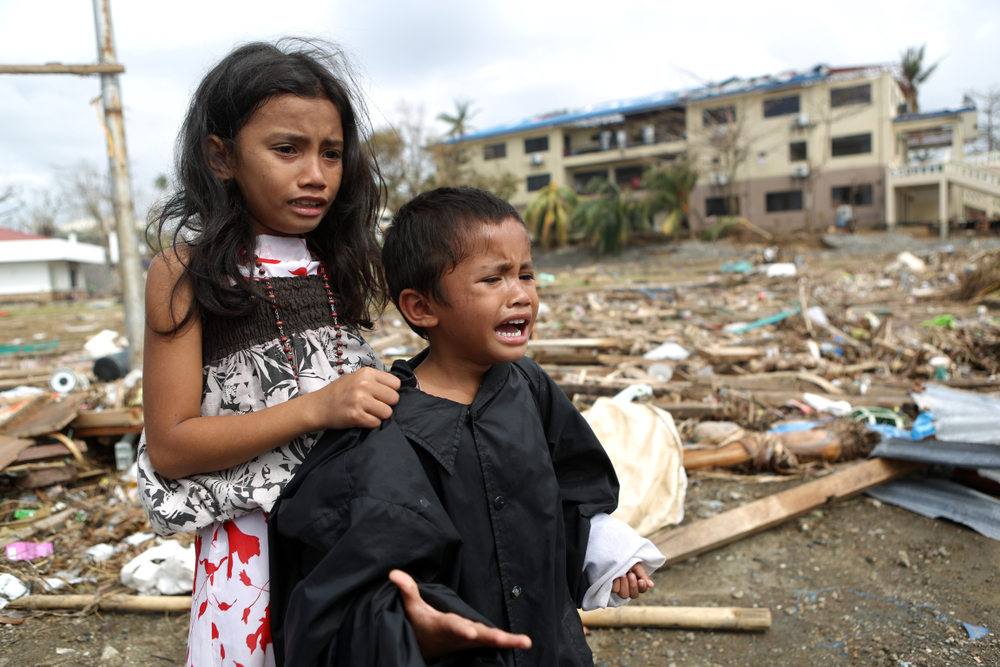
A powerful super typhoon has slammed into the Philippines, bringing destructive winds, torrential rain, and widespread evacuations. Authorities have warned of “life-threatening conditions” as the storm sweeps across the country’s most populated island.
Bicol Region First to Face the Fury
Typhoon Fung Wong, with sustained winds of 185 km/h, is lashing multiple provinces, according to the national weather service Pagasa. The Bicol region on the eastern coast was first to be struck early Sunday morning. Luzon, the country’s largest and most populated island, is expected to face the storm’s full force by nightfall.
Known locally as Uwan, the typhoon arrives only days after Kalmaegi caused massive destruction and left nearly 200 people dead. Schools have suspended classes or moved them online, and Philippine Airlines has cancelled several domestic flights in anticipation of severe weather.
Pagasa forecasts that Fung Wong will weaken once it reaches land but remain a typhoon as it crosses Luzon. Eastern parts of the country have already reported strong winds and heavy rain since late Saturday.
Thousands Flee as Flooding Threatens Coastal Towns
Officials have urged residents in flood-prone and coastal areas to move to higher ground. On Catanduanes Island in the Bicol region, emergency services warned of extreme conditions early Sunday.
In Aurora province, 21-year-old hotel worker Hagunoy said police made repeated visits to ensure all coastal hotels were cleared of guests. By Sunday morning, the beach resorts were deserted as residents waited for the storm to hit around midnight.
The tide rose rapidly during the day. Hagunoy said he would stay to guard the property before riding home on his motorbike once conditions worsened. Staff reinforced gates and tied windows shut with rope to prevent them from shattering.
Rescue Efforts Halted After Kalmaegi’s Deadly Trail
Fung Wong’s arrival has forced a pause in rescue operations that were still underway after Typhoon Kalmaegi, one of the strongest storms this year. Heavy rain from Kalmaegi triggered deadly landslides and flash floods that destroyed entire communities.
At least 204 people have been confirmed dead, while more than 100 remain missing. In Vietnam, five others died as fierce winds uprooted trees, tore off roofs, and smashed windows.
Government Declares Calamity as Storm Intensifies
The Philippine government has declared a nationwide state of calamity after Kalmaegi’s devastation and in preparation for Fung Wong’s impact. The measure allows faster access to emergency funds and speeds up the delivery of relief goods.
Many Filipinos remain fearful after the previous disaster. “We decided to evacuate because the last typhoon flooded our home. I just want my family safe,” said Norlito Dugan, who is sheltering in a church in Sorsogon, Luzon.
Another evacuee, Maxine Dugan, said: “The waves near my home are huge. I live close to the shore. The winds are strong, and the sea keeps rising.”
Climate Change Is Making Typhoons More Dangerous
The Philippines lies directly on the Pacific typhoon belt, making it one of the most storm-prone countries in the world. Around 20 tropical cyclones form in the region each year, and about half strike the nation directly.
Experts say climate change is not increasing the number of storms but making them more powerful. Warmer ocean waters and higher air temperatures intensify typhoons, producing stronger winds, heavier rain, and more destructive coastal flooding.

