

Trade Deal Tied to Russian Oil
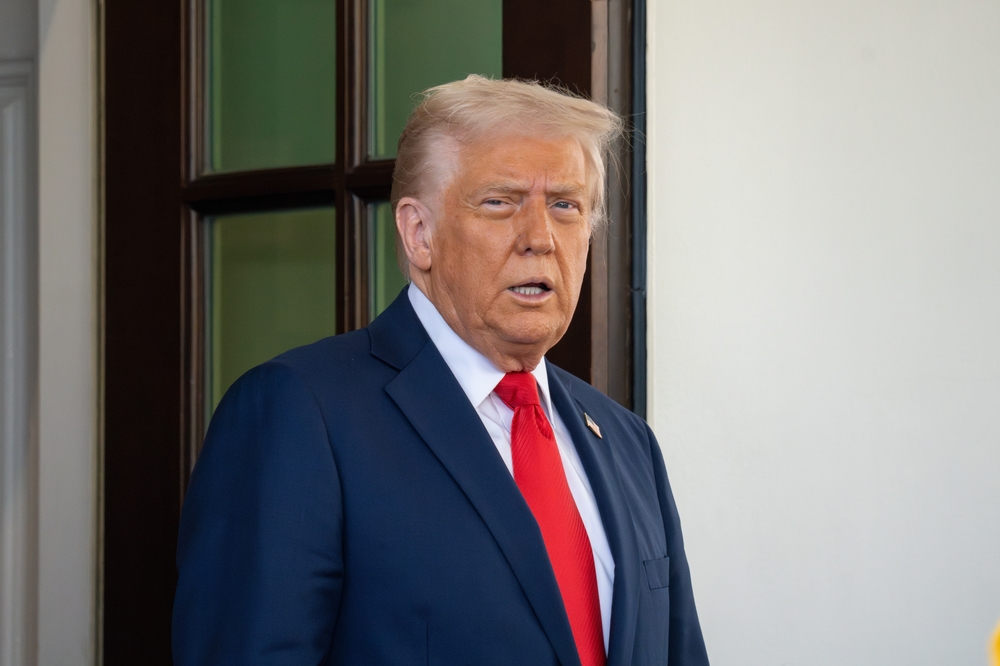
President Donald Trump said on Monday he plans to cut U.S. tariffs on Indian goods to 18%, down from 25%, after Indian Prime Minister Narendra Modi agreed to stop purchasing Russian oil. The move follows months of pressure from Trump, who has repeatedly urged India to reduce its reliance on discounted Russian crude since Moscow’s invasion of Ukraine in 2022.
Trump also claimed India would slash import taxes on American goods to zero and commit to buying $500 billion worth of U.S. products. Announcing the decision on Truth Social, Trump said the agreement would help bring an end to the war in Ukraine, which he described as costing thousands of lives every week.
Modi welcomed the tariff reduction, calling Trump’s leadership “vital for global peace, stability, and prosperity,” and described their phone call as “wonderful.” However, Modi did not directly address Trump’s assertion that India would halt Russian oil imports.
Ukraine War and Oil Politics
India’s continued purchases of Russian oil have long frustrated Washington, which argues that energy revenues help fund Moscow’s war effort. Trump has made cutting Russia’s oil income a central part of his strategy to pressure President Vladimir Putin, even as he has been cautious about direct confrontation with the Kremlin.
Since the war began, India has become one of Russia’s largest oil customers, taking advantage of steep discounts as Europe moved away from Russian supplies. In 2024, Russia accounted for nearly 36% of India’s crude imports, roughly 1.8 million barrels per day. As recently as December, Putin publicly pledged to maintain uninterrupted fuel shipments to India despite U.S. pressure.
The announcement comes as Trump’s special envoy Steve Witkoff and son-in-law Jared Kushner are expected to take part in renewed talks with Russian and Ukrainian officials in Abu Dhabi later this week, aimed at finding a path to end the conflict.
Tariffs, Trade, and Global Shifts
Trump has used tariffs aggressively to push both economic and foreign policy goals. Earlier this year, his administration imposed a 25% tariff on Indian goods over trade imbalances, followed by an additional 25% levy tied specifically to India’s purchases of Russian oil. A White House official said the oil-related tariff would now be dropped, bringing the total rate down to 18%, roughly in line with tariffs applied to the EU and Japan.
The timing is notable, coming just days after India and the European Union finalized a long-awaited free trade agreement covering nearly all goods. That deal, affecting close to two billion people, reflects a broader effort by India and its partners to diversify trade ties amid uncertainty caused by U.S. tariff policies.
In recent months, India has stepped up its push to secure new trade agreements, finalizing deals with Oman and New Zealand as it balances economic growth, energy security, and shifting geopolitical pressures.

