

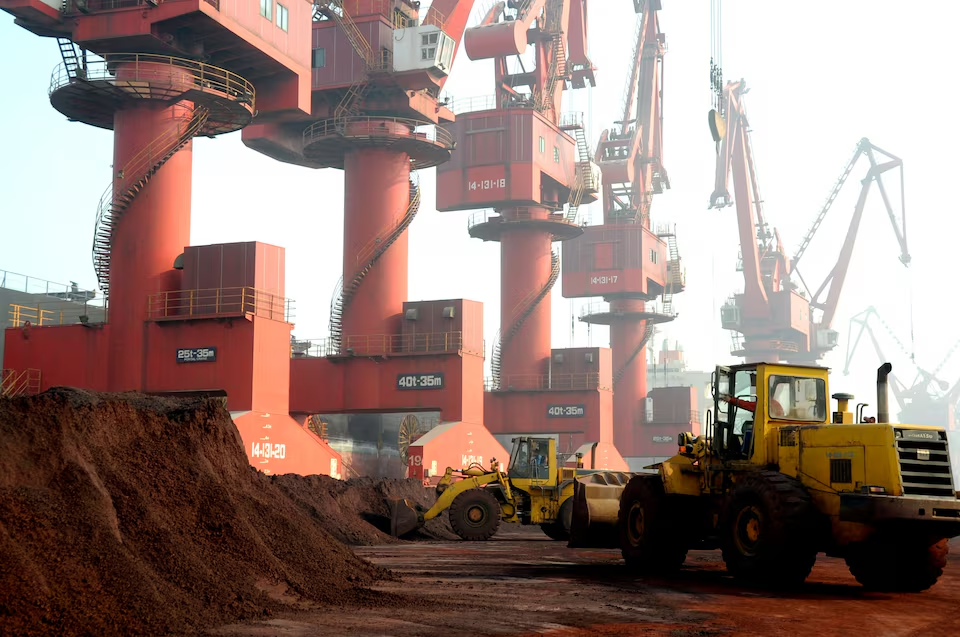
China has begun issuing streamlined rare-earth export licenses, aiming to support global supply chains and industries that depend on these critical materials. Officials say the new “general licences” simplify compliance while facilitating trade with qualified buyers.
Rare-earth elements and magnets are essential for many high-tech industries, including electronics, renewable energy, and defense manufacturing. By easing export regulations, China seeks to ensure steady supplies for international partners while maintaining regulatory oversight.
The new licensing system allows approved companies to export rare-earth products more efficiently. Regulators emphasized that these licenses are intended to resume trade in a compliant manner, reduce administrative delays, and support businesses worldwide that rely on these materials.
Industry analysts note that China controls the majority of global rare-earth production, making its policies crucial for international markets. Streamlined export licensing is expected to stabilize supply chains and help manufacturers plan production with greater certainty.
China’s move comes amid global concerns over access to rare-earth materials, which are vital for electric vehicles, wind turbines, and advanced electronics. By facilitating exports, the government aims to support both domestic and international industrial growth.
The licensing system distinguishes between qualified buyers and other applicants, ensuring that trade remains transparent and compliant with regulations. Companies granted “general licences” can now navigate export procedures with reduced paperwork, accelerating deliveries to international customers.
Officials stress that the policy is not intended to expand exports indiscriminately but to improve efficiency and predictability in the market. The approach balances domestic resource management with global industrial needs.
Economists and supply-chain experts highlight that rare-earth materials are strategically important. Steady exports help stabilize prices, prevent shortages, and support industries that rely on advanced magnets and electronic components.
The streamlined process also encourages long-term partnerships between Chinese suppliers and international manufacturers. Reliable access to rare-earth elements strengthens global industries and reduces potential bottlenecks in high-tech production.
Observers say the China rare-earth export licenses initiative reflects a proactive approach to managing strategic resources. By simplifying licensing, China ensures that global industries dependent on rare-earths continue to operate smoothly.
The policy is expected to benefit sectors including renewable energy, consumer electronics, automotive manufacturing, and defense technology. Analysts predict improved predictability and fewer disruptions in supply chains as a result of the new licensing system.
Overall, China’s easing of rare-earth export licensing demonstrates a commitment to supporting global trade while maintaining regulatory compliance. The initiative helps stabilize international supply chains and reinforces China’s role as a key supplier of these critical materials.

