

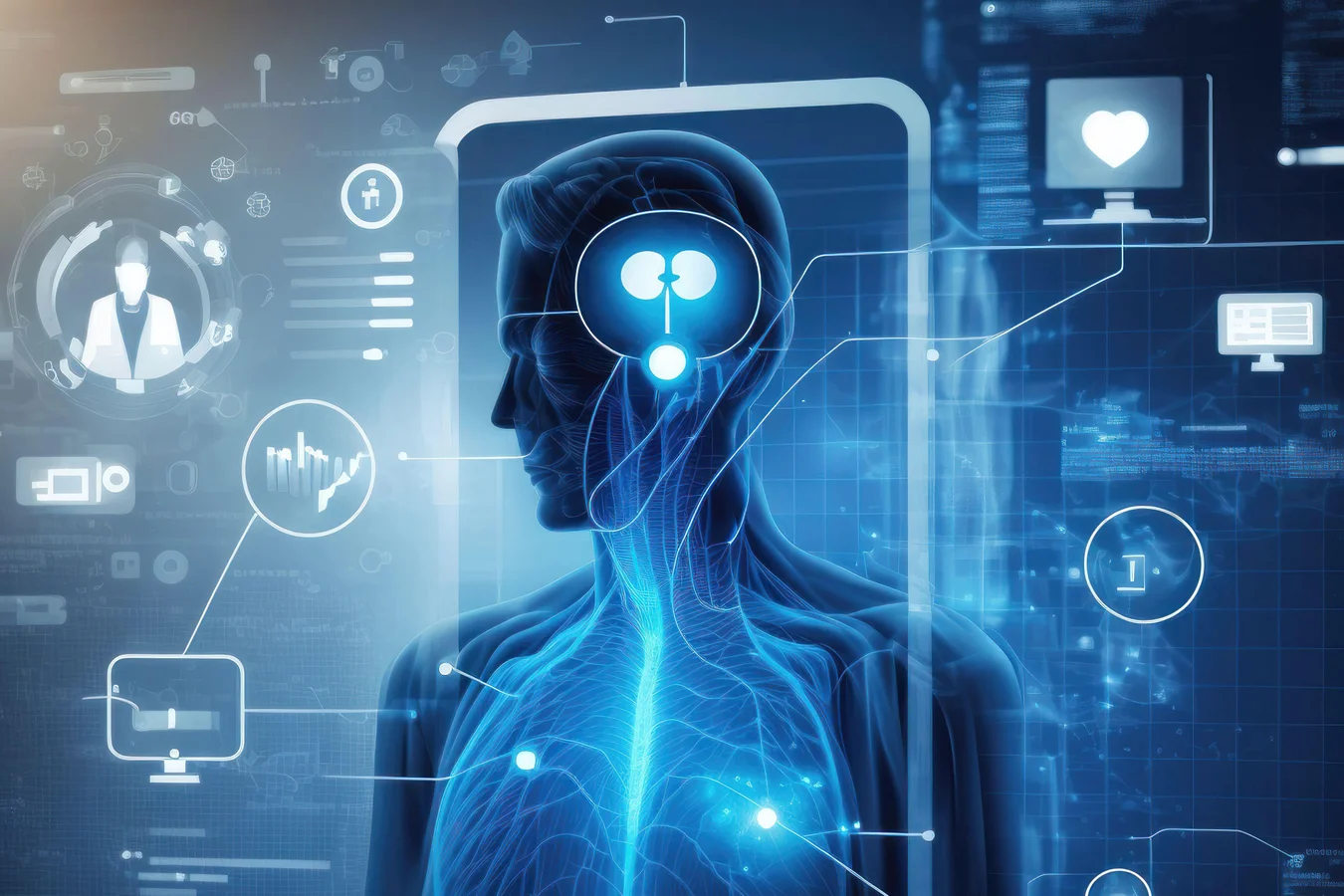
AI medical diagnosis tools are becoming an important part of healthcare in China, where community clinics are using them to detect diseases earlier during routine checkups. Doctors say these tools are helping identify hidden conditions that might otherwise go unnoticed until later stages.
In many community hospitals, patients first visit local clinics for basic health checks. Now, with AI support, these clinics can analyze medical data more quickly and accurately. This helps doctors make better decisions during early screening.
The AI medical diagnosis tools use large datasets and trained algorithms to review symptoms, lab results, and medical images. They highlight possible risks for conditions such as heart disease, diabetes, and some cancers. This gives doctors a second layer of support during diagnosis.
Health officials say early detection is one of the most important factors in saving lives. Many diseases become harder to treat when they are found late. AI tools help reduce this risk by flagging warning signs earlier.
In rural and smaller cities, access to specialist doctors is often limited. AI systems help bridge this gap by supporting general practitioners. This improves healthcare quality even in areas with fewer medical resources.
Hospitals report that AI medical diagnosis tools are improving efficiency. Doctors can review patient cases faster and focus more on treatment decisions. This also reduces workload in busy clinics.
The technology is trained using large volumes of medical data. It learns patterns from thousands of past cases. Over time, it becomes better at identifying abnormal results and unusual symptoms.
The system does not replace doctors. Instead, it acts as a support tool. Final diagnosis and treatment decisions are still made by medical professionals. Experts say human oversight remains essential for patient safety.
The rollout of AI medical diagnosis tools is part of a wider digital health strategy in China. The government has been investing in smart healthcare systems to improve access and reduce pressure on hospitals.
Medical researchers say early results are promising. In some clinics, AI support has led to earlier detection of serious illnesses. This allows patients to begin treatment sooner, which can improve recovery chances.
Doctors also say the tools help reduce diagnostic errors. In busy environments, important details can sometimes be missed. AI systems help highlight unusual patterns that need attention.
However, experts also warn that AI systems must be carefully monitored. Accuracy depends on the quality of data used to train the system. Regular updates and testing are needed to maintain reliability.
Privacy is another concern. Medical data is highly sensitive, and strong protections are required. Health authorities say data security measures are in place to protect patient information.
The National Health Commission of China is overseeing the integration of AI tools into public healthcare systems. Officials say the goal is to improve early diagnosis and reduce regional health gaps.
Technology companies are also working with hospitals to improve AI systems. These partnerships help refine algorithms and expand their use across different medical conditions.
Experts say AI tools are especially useful in preventive care. Many chronic diseases develop slowly and show mild early symptoms. AI can detect subtle changes that may be missed in routine checks.
In addition to diagnostics, AI is also helping with patient record management. It organizes data and supports doctors in tracking long-term health conditions more effectively.
Some hospitals report improved patient satisfaction. Faster diagnosis and clearer results help reduce anxiety and waiting times for patients.
Healthcare analysts believe AI medical diagnosis tools will continue to expand across China. More hospitals are expected to adopt these systems in the coming years.
Global health experts are watching these developments closely. If successful, similar systems could be used in other countries with large rural populations. This may help improve global access to early diagnosis.
Doctors emphasize that AI should be used as a support system, not a replacement for medical expertise. Training and proper use are key to getting the best results.
The use of AI in community clinics marks a major shift in healthcare delivery. It brings advanced diagnostic support closer to everyday patients and strengthens early detection systems.
As technology improves, AI medical diagnosis tools are expected to play an even bigger role in preventive healthcare. Experts say this could lead to earlier treatment, better outcomes, and improved public health overall.

