

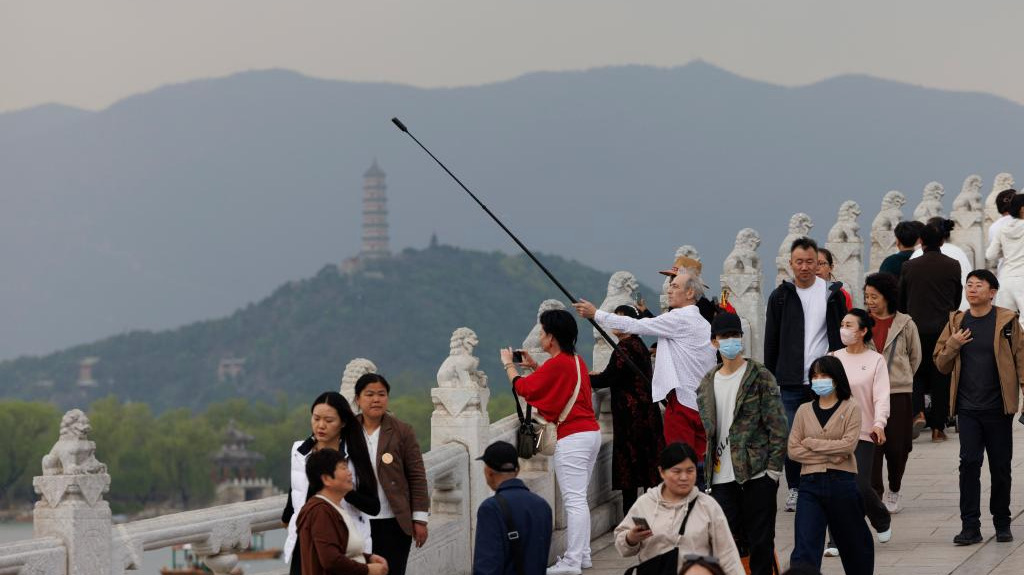
Beijing has experienced a dramatic rise in inbound tourism, recording a 61 percent surge in visitor numbers during the first quarter of the year. The increase reflects the city’s rapid recovery in international travel and its growing appeal as a hub for culture, business, and leisure.
According to local authorities, the capital welcomed hundreds of thousands of overseas tourists between January and March, far surpassing figures from the same period last year. Officials attribute the growth to the easing of travel restrictions, improved flight connections, and renewed interest in China as a global destination.
“The first quarter figures show that Beijing is once again at the center of global travel,” said one tourism official. “The surge highlights our strong cultural attractions, business opportunities, and international connectivity.”
Industry experts say the rebound is also a result of targeted policies that encourage inbound travel. These include streamlined visa applications, promotional campaigns overseas, and cooperation with international airlines to expand routes.
Visitors are drawn to Beijing’s rich heritage sites, including the Forbidden City, the Great Wall, and the Summer Palace. At the same time, the city’s modern attractions—such as high-tech districts, international conferences, and large-scale cultural events—add to its appeal.
Tourism businesses in the capital report stronger revenues as hotels, restaurants, and cultural venues see a steady return of international guests. Many businesses are also expanding services tailored to foreign visitors, including multilingual guides, cashless payment options, and curated cultural experiences.
The tourism boost has had ripple effects across other sectors. The rise in international travelers supports retail, entertainment, and transportation, creating new jobs and stimulating local economic growth. Officials note that international tourism is an essential part of Beijing’s plan to build itself into a world-class city of global influence.
Data also show that business travel has played a significant role in the surge. Beijing hosted several major trade fairs, forums, and exhibitions in the first quarter, attracting professionals from across the world. These events have strengthened the city’s reputation as a global hub for commerce and innovation.
Experts believe the upward trend will continue through the year. With more international flights resuming and new tourism packages being launched, Beijing is expected to attract millions more visitors in the months ahead.
International observers point out that Beijing’s rebound is in line with a broader recovery in global tourism. As travelers seek new destinations after years of pandemic disruption, China’s capital is regaining its place on the world map as a must-visit location.
“The speed of recovery in Beijing is striking,” said one travel analyst. “It shows how quickly pent-up demand can translate into real economic activity when barriers are reduced.”
At the same time, Beijing is focused on ensuring that the growth is sustainable. Authorities are investing in green tourism initiatives, digital travel platforms, and smart city infrastructure to improve visitor experience while minimizing environmental impact.
Local residents are also benefiting from the tourism revival. Increased cultural exchange brings greater opportunities for international engagement and learning, strengthening Beijing’s identity as a cosmopolitan city.
Challenges remain, including the need to maintain quality services amid rising demand. Officials emphasize that improving customer experience, safety, and accessibility will be critical to sustaining growth.
Still, the first-quarter results highlight a remarkable recovery for Beijing’s tourism sector. With strong foundations and strategic policies in place, the city is well positioned to continue its upward trajectory.
As one cultural ambassador noted, “Beijing offers both ancient history and modern vitality. The 61 percent surge in inbound tourists proves that the world wants to rediscover our city.”
Word Count: ~682

