

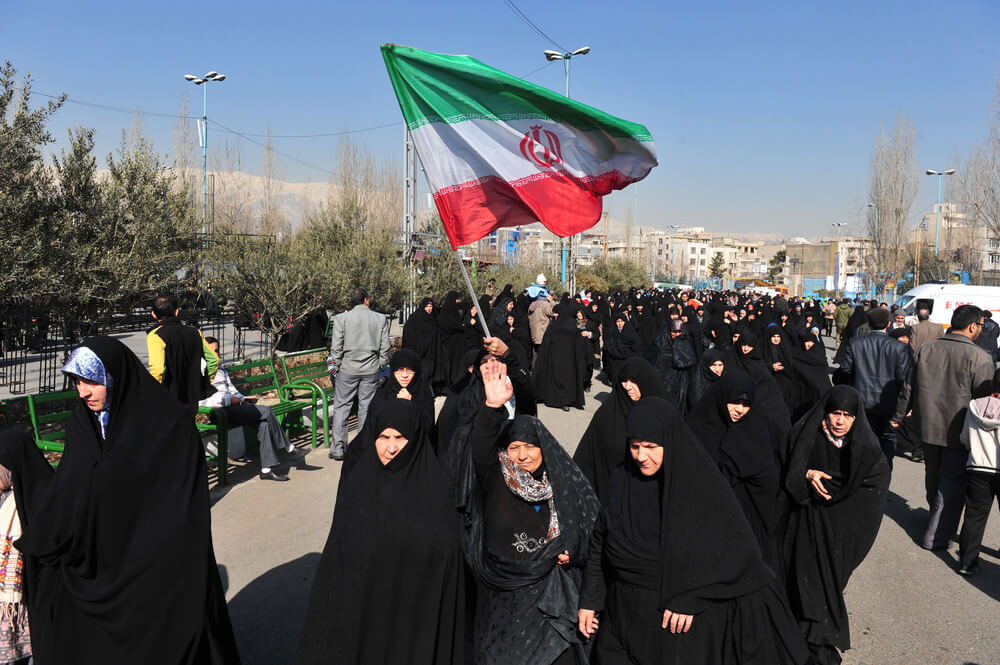
Fresh demonstrations swept across Iran on Thursday night as protesters took to the streets and rooftops of Tehran, answering a call from the country’s exiled crown prince and marking a sharp escalation in weeks of unrest.
Streets Fill, Signals Cut
Witnesses said chants rang out across neighbourhoods of the capital shortly after 8pm local time, with crowds gathering despite an immediate shutdown of internet access and phone lines. Monitoring groups Cloudflare and NetBlocks reported widespread outages, which they attributed to government interference.
Attempts to reach Iran by phone from abroad failed, a pattern that has previously coincided with harsh security crackdowns. The Norway-based Iran Human Rights NGO says at least 45 demonstrators have been killed since protests began in late December, initially sparked by anger over Iran’s struggling economy but now spreading nationwide.
Shouts of “Death to the dictator!” and “Death to the Islamic Republic!” were heard, alongside slogans praising Iran’s former monarchy — rhetoric that in the past could have carried the death penalty but now reflects the depth of public fury.
Pahlavi’s Call Tests the Movement
The demonstrations followed an appeal by Crown Prince Reza Pahlavi, who lives in exile, urging Iranians to unite and make their voices heard. It was the first major test of whether he could galvanise a protest movement that has largely operated without clear leadership.
“The eyes of the world are upon you,” Pahlavi said in a statement, calling on Iranians to take to the streets together. He also warned Iran’s leadership and the Revolutionary Guard that the international community, including U.S. President Donald Trump, was watching closely.
Markets and bazaars across several cities reportedly closed in solidarity, while demonstrations continued into Friday. According to the US-based Human Rights Activists News Agency, at least 39 people have been killed and more than 2,260 detained so far, though Iranian officials have not acknowledged the full scale of the unrest.
Analysts say the protests remain powerful but fragmented. “The lack of a viable alternative has undermined past protests in Iran,” wrote Atlantic Council analyst Nate Swanson, noting that many potential leaders have been arrested, exiled or silenced over the years.
International Warnings and Rising Pressure
Iranian authorities appear to be bracing for further unrest. The hardline Kayhan newspaper claimed security forces would use drones to identify demonstrators, though officials have offered little public comment on events unfolding across the country.
Meanwhile, pressure from abroad is mounting. President Trump warned last week that the United States would respond if Iran violently suppressed peaceful protesters — remarks swiftly condemned by Iran’s Foreign Ministry as hypocritical interference.
European leaders have also spoken out. European Parliament President Roberta Metsola said the world was witnessing “the brave people of Iran stand up,” adding that Europe hears their calls for freedom and dignity.
As protests continue and communications remain restricted, uncertainty hangs over what comes next. What is clear, however, is that public anger is growing — and Iran’s leadership is facing one of its most serious challenges in years.

