

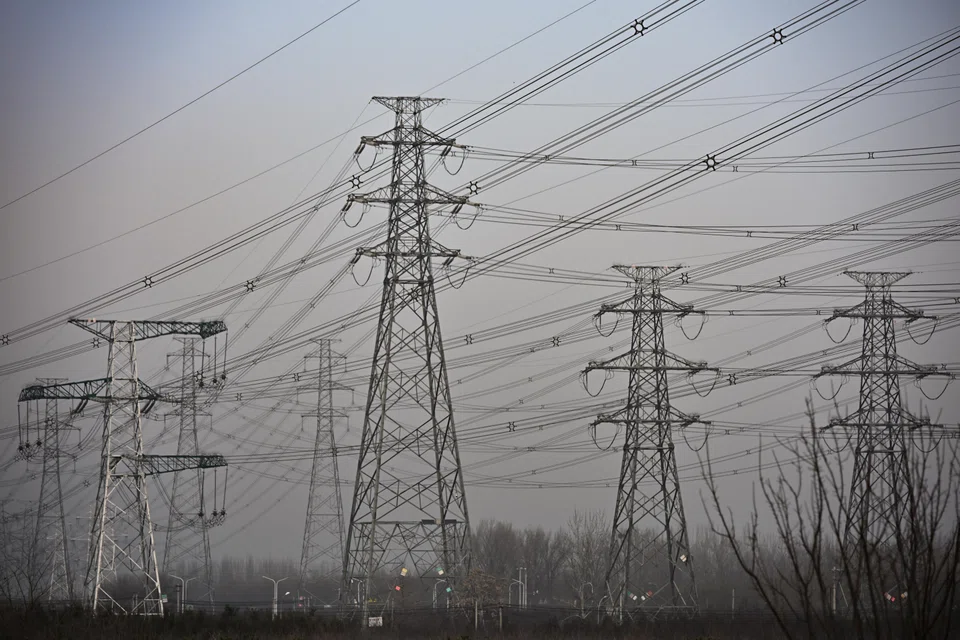
The Chinese government announced new measures to encourage private investment in the country’s core energy infrastructure, signaling a push to strengthen market participation and revitalize the economy.
Under the new policy, private firms will be allowed to take larger shareholdings in key projects, including over 10 % and up to 20 % in some nuclear power ventures. Hydropower and cross-regional power transmission projects will also see expanded private involvement.
Analysts said the move is designed to energize private capital in sectors that have traditionally been dominated by state-owned enterprises. “Allowing private firms to hold larger stakes deepens market forces and can help accelerate energy infrastructure development,” said an energy market expert.
The policy is part of broader efforts to modernize China’s energy sector and stimulate economic growth. By opening up nuclear, hydro, and transmission projects to private investment, the government hopes to attract fresh capital and innovation.
Industry observers noted that private participation could bring efficiency gains, faster project execution, and stronger operational oversight. Investors are expected to respond positively to new opportunities in energy infrastructure.
The announcement comes amid China’s ongoing push for energy security and modernization. Expanding private investment in nuclear and renewable energy aligns with long-term goals for sustainability, technological advancement, and regional power integration.
“This initiative reflects the government’s commitment to growth and reform,” said a policy analyst. “It shows that China is willing to leverage market forces while maintaining strategic oversight of critical energy sectors.”
Private companies are likely to benefit from clearer ownership rules and opportunities to participate in previously restricted areas. The policy signals confidence in the private sector’s role in meeting China’s energy and economic targets.
Economic experts also highlighted that increased private investment can support broader industrial growth. As energy infrastructure expands, related sectors such as manufacturing, technology, and construction may see spillover benefits.
The policy encourages collaboration between state-owned and private enterprises. By allowing private capital a meaningful stake, projects may attract more diverse funding sources and technical expertise.
Investors and market participants are closely watching implementation details, including project selection and approval procedures. Analysts said successful execution could improve investor confidence and stimulate further private-sector involvement in strategic industries.
The government emphasized that strategic oversight will remain, ensuring that energy security and public interests are safeguarded. Analysts noted that balancing private investment with state guidance is key to sustainable sector growth.
Overall, the policy is expected to open new opportunities for private enterprises, accelerate energy infrastructure development, and contribute to economic revitalization. It underscores China’s commitment to reform while leveraging market forces to drive growth.

