

EU leaders close ranks amid escalating standoff
European leaders have pledged to stand together after US President Donald Trump threatened sweeping new tariffs unless Denmark agrees to sell Greenland, a move that has stunned capitals across the continent and raised fears of a fresh transatlantic trade war. Leaders from across the EU stressed unity and sovereignty as Washington signalled it was prepared to ratchet up economic pressure.
The White House said additional tariffs of 10% would be imposed on goods from eight European countries starting February 1, with the rate potentially rising to 25% by June. The countries targeted include Denmark, Sweden, Norway, France, Germany, the Netherlands, Finland and the United Kingdom. Trump said the measures would remain in place until what he described as a deal for the “complete and total purchase of Greenland” is reached.
Greenland dispute fuels trade tensions
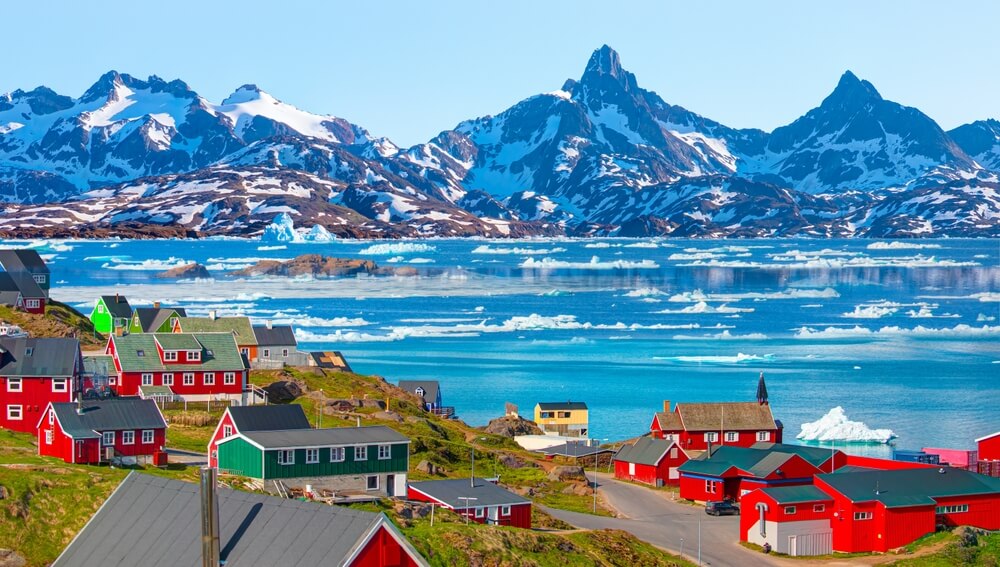
Greenland, a semi-autonomous territory within the Kingdom of Denmark, has become the centre of an increasingly hostile exchange. European countries recently announced a joint mission to the island aimed at strengthening Arctic security, a move that appears to have triggered Washington’s response. Trump administration officials have claimed the US must control Greenland for national security reasons, rejecting the idea that Denmark and its allies can manage the territory alone.
Danish officials have pushed back strongly, disputing claims that Russian and Chinese warships operate freely around Greenland. Danish intelligence says no Chinese vessels have been seen in the area for more than a decade. Danish foreign minister Lars Løkke Rasmussen said he was taken aback by the US reaction, insisting the European mission aligns with shared security goals in the Arctic.
European Commission President Ursula von der Leyen warned that tariffs would only damage relations and risk a dangerous escalation. EU Council President António Costa said leaders would coordinate a collective response, while French President Emmanuel Macron made clear Europe would not be intimidated. Swedish Prime Minister Ulf Kristersson went further, saying Europe would not allow itself to be blackmailed.
Calls grow for Europe to hit back
The latest confrontation has reignited debate in Brussels over whether the EU should abandon its cautious approach to Trump and activate its so-called anti-coercion instrument, a powerful trade tool designed to counter political pressure. The mechanism would allow the EU to restrict access to public contracts, limit trade licences and even block entry to parts of the single market.
Senior lawmakers in the European Parliament argue that the line has now been crossed. Bernd Lange, who chairs the Parliament’s trade committee, said the EU cannot carry on as normal while trade is being used as a weapon against allies. Others, including European People’s Party leader Manfred Weber, have called for freezing existing EU-US trade deals until the threats are withdrawn.
With tariff deadlines looming and rhetoric hardening on both sides, the dispute over Greenland risks spilling far beyond the Arctic, testing Europe’s unity and the future of its relationship with Washington.

