

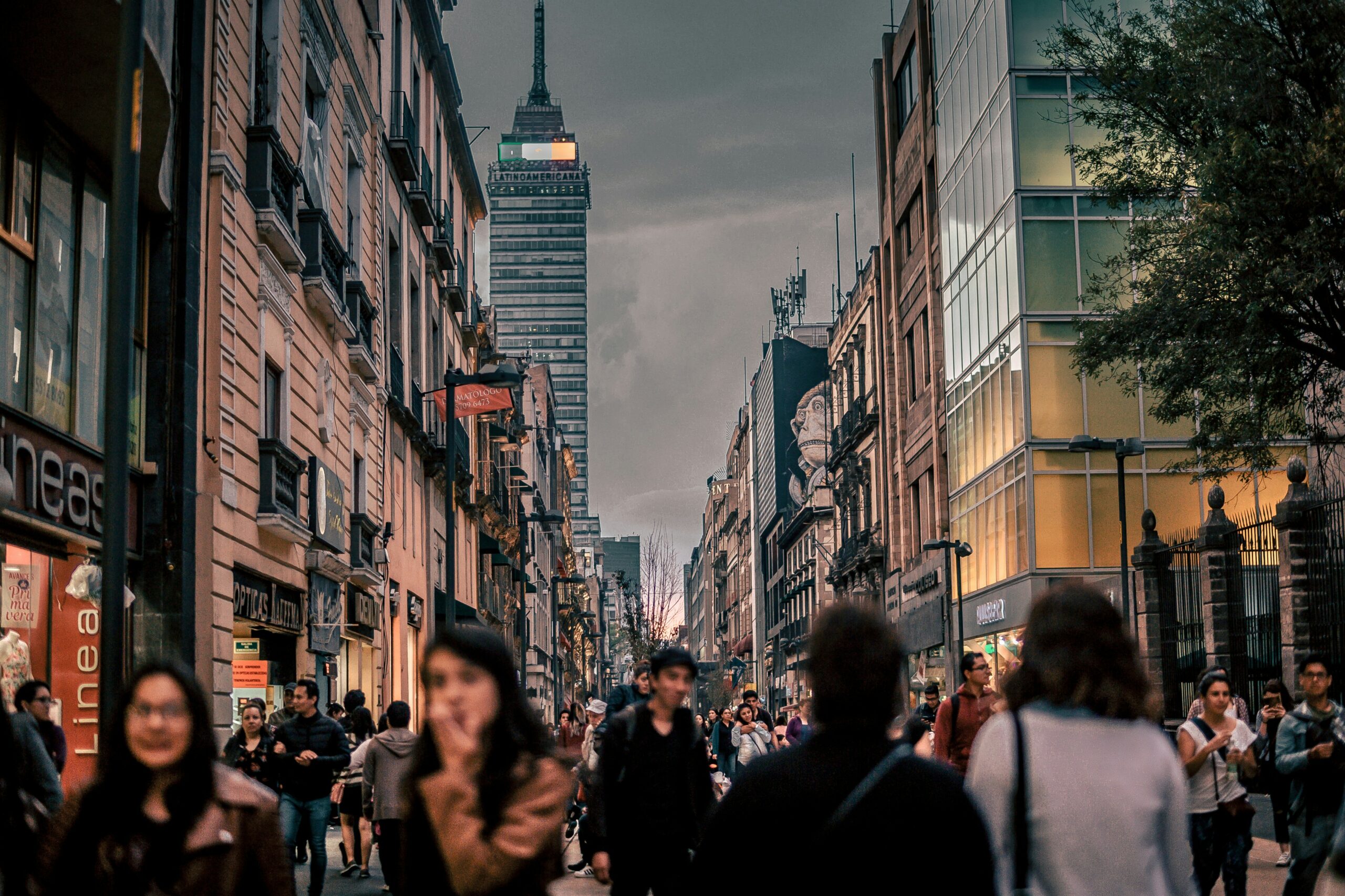
Thousands of young people marched through Mexico City on Saturday in a nationwide demonstration against violence and corruption. Protesters filled major avenues and reached the Zócalo, where riots erupted and injured 20 civilians and more than 100 police officers, with around 20 arrests reported.
Generation Z activists organized simultaneous marches in 52 Mexican cities and in countries such as the United States, Canada, the Netherlands, and Germany. They framed the protest as a civic awakening driven by frustration and fear. What began as a peaceful gathering at the Angel of Independence shifted into violent clashes in the nation’s most symbolic square.
The murder of Uruapan mayor Carlos Manzo on 1 November sparked the movement. Criminal groups targeted him after he repeatedly asked federal authorities to address Michoacán’s worsening violence. His killing ignited widespread anger among young people who accuse the country’s institutions of ignoring public pleas for safety and justice.
The march united students, workers, community members, and opposition supporters who shared exhaustion with insecurity. Mexico City Security Secretary Pablo Vázquez confirmed the injuries and arrests after the confrontation. He emphasized that authorities will pursue all individuals responsible for criminal actions.
March Turns Violent at the National Palace
The demonstration moved peacefully until the crowd reached the Zócalo. A group identified as the “black bloc” pushed through protesters and attacked the fences protecting the National Palace. They struck the barriers with hammers and stones until the structures collapsed. Police intervened immediately with tear gas and fire extinguishers to contain the escalation.
Emergency teams treated 60 injured officers on site and transported 40 to hospitals. Four officers required specialized medical care but remain stable. Paramedics assisted 20 civilians at the scene.
Authorities detained several individuals for violent conduct, while others face administrative penalties. Investigators from the Mexico City Attorney General’s Office are analyzing footage and reports to identify everyone who took part in the destruction.
From Tabasco, President Claudia Sheinbaum urged protesters to continue demonstrations peacefully. She emphasized that violence cannot drive meaningful change. She also minimized the scale of the march by insisting that “very few young people” participated, despite large crowds seen across the capital.
Generation Z Outlines Civic Demands and Global Reach
Generation Z in Mexico defines itself as a civic, realistic, and non-partisan movement born from collective fatigue. Its slogan states, “We are neither left nor right; we are the generation tired of bowing our heads.”
On 14 November, the group released a 12-point petition titled “Because we are not for any party. We are for Mexico.” Their main proposals include:
- A citizen-driven recall mechanism separate from regular elections and free from partisan participation.
- Direct citizen elections to replace recalled officials.
- A total ban on party interference in recall and replacement processes.
- Strengthening autonomous institutions through councils composed of independent citizens.
- Sweeping judicial reforms to guarantee prompt and effective justice.
- Anti-corruption measures supported by public, citizen-led audits.
- Public security frameworks that prioritize demilitarization and local oversight.
- Absolute transparency in all public spending.
- Expanded job and education opportunities for young people.
- Affordable housing policies and strong actions against gentrification.
- Inclusion of respected public figures in civic councils.
- A public consultation process to expand the petition to a maximum of 15 demands.
The Mexican movement reflects a global phenomenon. Generation Z protests have surged in Nepal, Mongolia, Togo, Madagascar, Morocco, Paraguay, Peru, Bangladesh, and Indonesia. Young people, raised in digital environments and equipped with strong civic instincts, organize through TikTok, Instagram, and X without depending on traditional media.
Their motives vary but share common themes: dissatisfaction with governments, economic instability, declining quality of life, corruption, and limited opportunities. In countries like Nepal, these demonstrations have even toppled governments. In Mexico, young people demand nothing less than a profound transformation of the nation’s political and social structures.

