

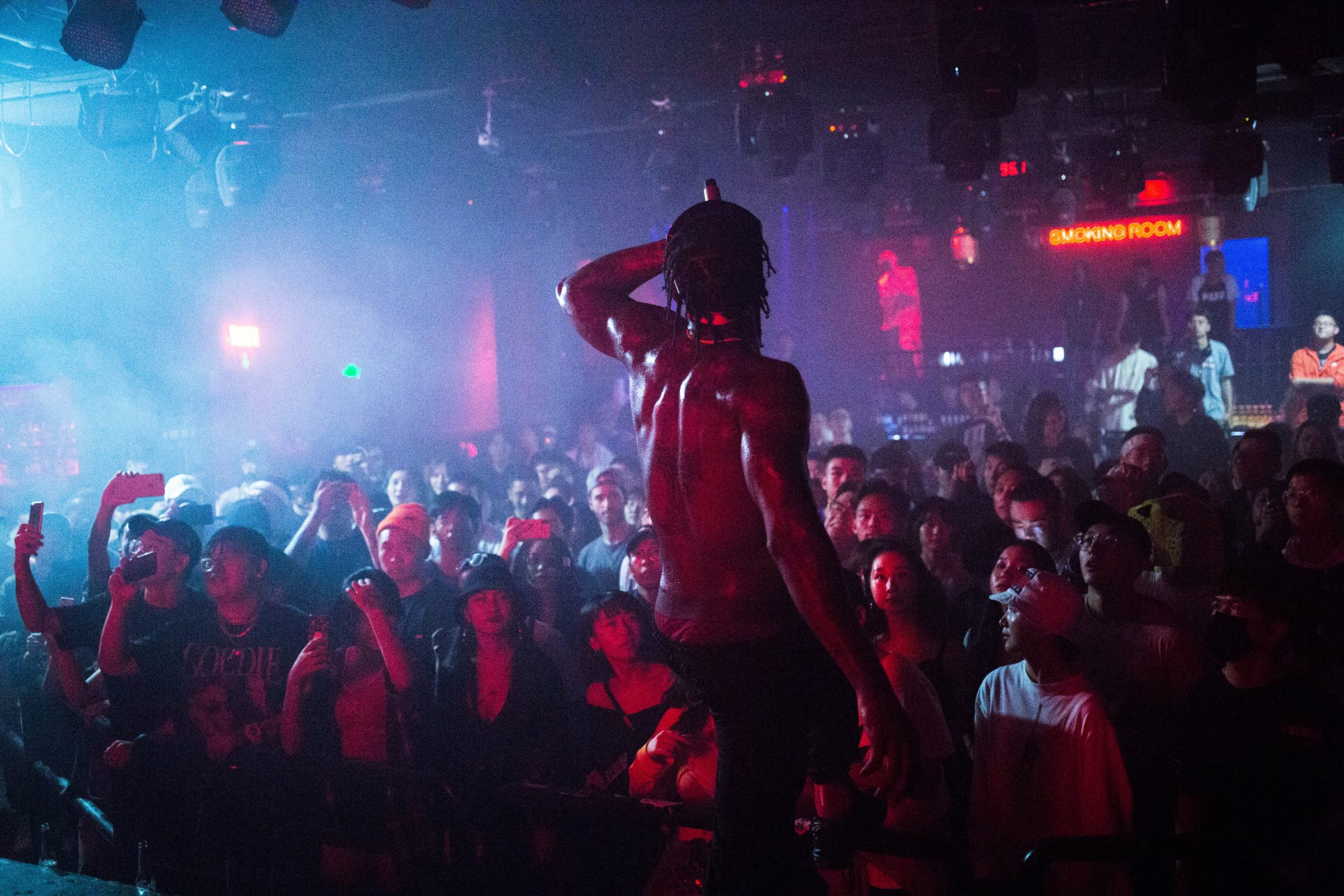
Beijing’s underground rave scene has emerged as a vibrant subculture, attracting young people eager to explore music, dance, and self-expression beyond the city’s mainstream nightlife. Despite strict regulations and occasional police crackdowns, these secret gatherings continue to thrive, offering a unique outlet for creativity and community.
Raves, often held in hidden warehouses, abandoned buildings, or private venues, feature electronic music, light shows, and immersive performances. Organizers carefully plan events to avoid public attention, using social media and word-of-mouth networks to invite attendees.
For many participants, the underground scene represents more than music; it is a space for personal freedom and cultural experimentation. Attendees describe raves as a refuge from societal pressures, where they can express themselves without judgment and connect with like-minded peers.
“The energy and creativity at these events are amazing,” said a regular attendee. “It’s a place where we can forget stress, dance, and just be ourselves.”
The rise of the scene reflects broader cultural trends among Beijing’s youth. Faced with intense academic and career pressures, rising living costs, and conservative social expectations, many young people are seeking alternative ways to experience community and entertainment. Raves provide a space where individuality and collective enjoyment intersect.
Despite its appeal, the underground rave scene operates in a legal gray area. Authorities occasionally monitor and shut down events due to safety concerns, noise complaints, or violations of public gathering rules. Organizers emphasize safety, using security measures, strict entry protocols, and adherence to fire regulations to minimize risks.
Social media plays a key role in sustaining the scene. Platforms allow organizers to connect discreetly with participants, share event details, and showcase performances. Videos and livestreams highlight the creativity, music, and immersive experiences that define the underground culture.
Music is central to the movement, with genres such as techno, house, trance, and experimental electronic dominating the playlists. DJs often mix live sets with innovative lighting and visual effects, creating an intense, multisensory environment. For many, the music serves as both entertainment and emotional release.
Cultural analysts note that underground raves reflect a subtle form of rebellion. While participants are not necessarily political activists, the gatherings challenge social norms by creating alternative spaces where expression, diversity, and unconventional aesthetics are celebrated.
The scene also fosters a sense of community. Regular attendees develop networks of trust and shared interest, exchanging ideas, collaborating on art or performances, and supporting one another in navigating urban life. The underground rave culture strengthens social bonds and provides a sense of belonging that can be rare in large, fast-paced cities.
International observers have shown growing interest in Beijing’s raves, highlighting them as a lens into urban youth culture and contemporary social trends in China. While coverage often emphasizes the secrecy and risks, it also celebrates the creativity and resilience of participants.
Organizers stress that the underground scene is not anti-authority but seeks to coexist with regulations while providing space for cultural experimentation. Many events incorporate safety education, responsible behavior campaigns, and efforts to minimize disruption to neighbors.
The enduring popularity of Beijing’s underground raves suggests that young people will continue to seek alternative cultural spaces, even amid regulatory pressures. These gatherings provide an outlet for expression, creativity, and social connection that complements more conventional nightlife options.
Ultimately, Beijing’s underground rave scene represents a quiet rebellion: a celebration of music, freedom, and community in a city where public expression is often constrained. Through rhythm, dance, and shared experience, participants carve out spaces that affirm individuality and collective energy.
As the city evolves, the underground rave culture remains a testament to the ingenuity, resilience, and desire for self-expression among Beijing’s youth, providing a glimpse into an often hidden but vibrant world.

