

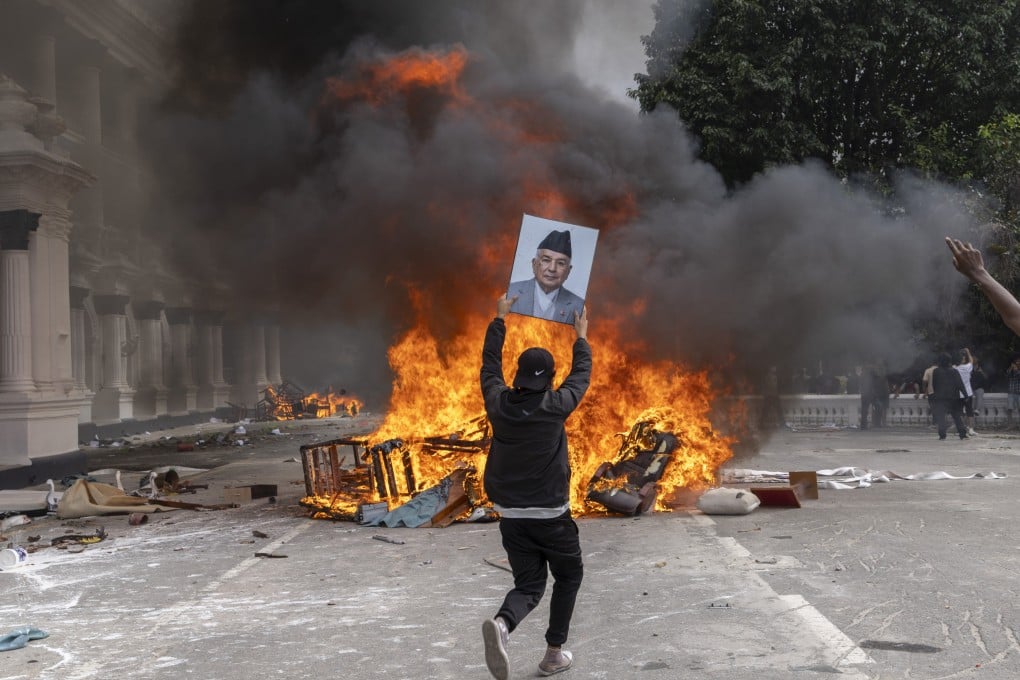
China is closely watching social unrest in Nepal, a key strategic partner, as protests and political instability sweep across the Himalayan nation. Officials and analysts in Beijing are assessing the potential risks to Chinese interests, including economic projects, regional influence, and border security.
Nepal has recently witnessed a surge in demonstrations, sparked by political disagreements and economic grievances. Protesters have taken to the streets in major cities, demanding government accountability, economic reforms, and protection of democratic institutions. The unrest has disrupted daily life and raised concerns about long-term stability.
For China, Nepal is a critical neighbor. The Himalayan country serves as a bridge between China and South Asia, hosting Chinese investments, infrastructure projects, and trade routes. Beijing has invested heavily in Nepal through initiatives linked to the Belt and Road Initiative, making stability in the country a strategic priority.
Chinese officials are reportedly evaluating how the unrest could affect ongoing projects such as road expansions, hydroelectric dams, and cross-border trade corridors. Analysts warn that prolonged instability could slow construction, disrupt supply chains, and reduce investor confidence in Nepal.
“The situation in Nepal has potential implications for China’s regional strategy,” said a China-based foreign policy expert. “Maintaining influence and protecting investments requires careful monitoring, especially when social unrest threatens operational stability.”
Recent protests have also highlighted the growing domestic pressures in Nepal, including rising living costs, unemployment, and dissatisfaction with government policies. While the unrest is largely domestic in nature, it carries implications for foreign stakeholders who have significant economic and strategic commitments in the country.
China has historically prioritized stability in neighboring countries, emphasizing non-interference publicly while quietly engaging in diplomatic and economic support. In Nepal, Beijing has sought to maintain strong ties with political leaders, provide economic assistance, and ensure that bilateral projects continue despite political turbulence.
The unrest comes at a sensitive time. Nepal’s political landscape has been marked by frequent changes in leadership, disputes over constitutional reforms, and tensions among major parties. The uncertainty complicates Beijing’s efforts to secure long-term agreements and maintain influence over key infrastructure and trade initiatives.
Analysts note that Beijing’s response is likely to be cautious and measured. Direct intervention is unlikely, but diplomatic engagement, economic leverage, and careful messaging may be used to safeguard interests. China may also encourage dialogue between Nepal’s political factions to restore stability and ensure projects proceed without disruption.
The situation underscores broader regional challenges for China. As it expands influence through investment and infrastructure, Beijing must contend with domestic political dynamics in partner countries. Protests, strikes, and unrest in strategically important nations can affect timelines, costs, and the overall success of long-term projects.
Economic impacts are already evident. Some construction sites have temporarily halted work, while local businesses report lower foot traffic due to protests. Trade routes connecting Nepal and China have experienced minor delays, highlighting the sensitivity of supply chains to social unrest.
Experts suggest that Beijing’s approach will balance caution with proactive engagement. Maintaining strong relationships with Nepalese officials, monitoring developments closely, and ensuring the security of Chinese personnel and investments are expected to remain top priorities.
The unrest in Nepal also has implications for regional diplomacy. Neighboring countries and international partners are watching closely, with concerns that instability could create openings for external influence or affect geopolitical alignments. China’s ability to manage these risks will be critical to sustaining its strategic position.
For now, Beijing remains focused on risk assessment, emphasizing stability and continuity. While social unrest in Nepal is primarily domestic, its potential to disrupt strategic projects and regional influence makes it a high-priority issue for Chinese policymakers.
The coming weeks are likely to determine how effectively China can safeguard its interests, mitigate risks, and maintain strong ties with Nepal despite ongoing political and social challenges.

