

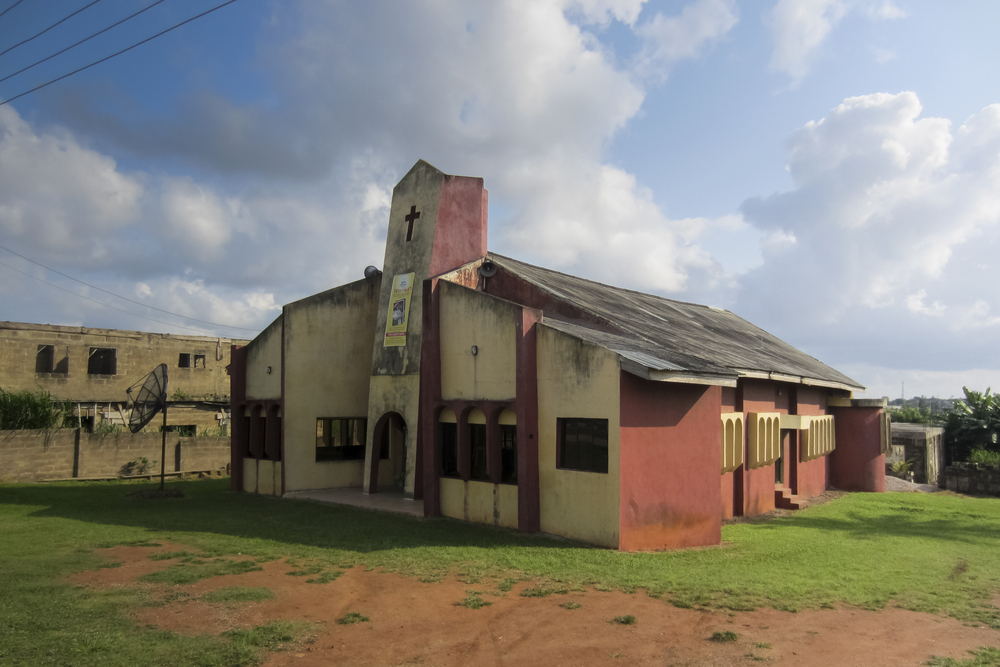
Nigeria faces renewed unease after U.S. President Donald Trump warned of possible military action over alleged Christian persecution. On Sunday, Nigerians woke up to Trump’s social media post ordering the Pentagon to prepare “fast, vicious, and sweet” attacks on Islamic terrorists if the Nigerian government failed to stop the killing of Christians.
Trump said the U.S. would cut aid and possibly “go into that now disgraced country, guns-a-blazing.” His remarks sparked both alarm and support across Nigeria, with many linking the threat to the nation’s mineral wealth rather than humanitarian concerns.
Tinubu Pushes Back While Calling for Dialogue
President Bola Ahmed Tinubu rejected the threat but offered to meet Trump to discuss counterterrorism and security cooperation. He emphasized that any collaboration must respect Nigeria’s sovereignty. Tinubu also dismissed claims that Nigeria is religiously intolerant, saying such portrayals misrepresent reality.
Tinubu’s spokesperson Daniel Bwala described Trump’s message as a “negotiating tactic,” noting that Nigeria and the U.S. already cooperate on intelligence sharing and arms procurement against Islamist militants. Meanwhile, Amnesty International reported that more than 10,000 people have died in jihadist attacks since Tinubu took office.
Religion, Violence, and Hidden Interests
Nigeria, home to roughly 220 million people split evenly between Christians and Muslims, has battled Boko Haram and other armed groups for years. Washington frames the crisis as a Christian genocide, while many Nigerians view it as a complex conflict affecting both faiths. Analysts note that most victims in the north are Muslim, though Evangelical leaders insist Christians suffer targeted massacres.
Human rights activist Omoyele Sowore argued that Nigeria needs responsible leadership, not foreign intervention. Analysts also suspect Trump’s threat ties to Nigeria’s rare earth deposits—minerals vital for defense technology and electric vehicles. The northeast, where insurgents operate, holds rich monazite reserves containing lithium, nickel, cobalt, copper, and other key elements.
While some Nigerians welcome foreign military support, others warn that external involvement risks turning humanitarian concern into a scramble for resources, leaving Nigeria’s deep-rooted problems unresolved.

